• ABOUT
    arrow_drop_down
    • Overview
    • About WASD
    • Portfolio
    • 20th Anniversary
    • Teams
  • Search All
    arrow_drop_down
    • All Conferences
    • Annual
    • United Nations
    • Sustainability
    • Women
    • Diaspora
    • MENA
    • Africa
      arrow_drop_down
      • Sudan
    • Policy
      arrow_drop_down
      • Climate Change
      • Health
        arrow_drop_down
        • Covid 19
        • Public Health
      • Education
        arrow_drop_down
        • Graduates
        • E-Learning
      • Youth
    • Leadership
    • Business
      arrow_drop_down
      • Entrepreneurship
      • Investment
  • Forthcoming
  • Publishing
    arrow_drop_down
    • Overview
    • Publishing Ethics
    • Indexing & Ranking
    • Editorial Boards
    • Digital Library
    • Book Store
  • Speakers
    arrow_drop_down
    • Overview
    • Keynotes
    • Presenters
    • Panelists
  • Media
    arrow_drop_down
    • Videos
    • Photos
  • Partnerships
    arrow_drop_down
    • Overview
    • Host Requirements
    • Sponsorship Opportunities
    • Partners
    • Sponsors
  • Latest News
  • Timeline
  • Contact
Sign in or Register

University of Anbar IRAQ 2027

  • Send an email
  • Other Conferences
  • Overview
  • Objectives/Theme
  • SDGs Tracker
  • SDGs Universities
  • Call for Papers
  • Publications
  • SDGs Universities
  • Participants
  • Target Participants
  • Programme
  • Gallery
  • Videos
  • Testimonials
  • Talks
  • Sponsorship
  • Registration
  • prev
  • next
  • Get directions
  • Other Conferences
  • Share
  • prev
  • next
Overview

Scientific Research and Innovation for a Sustainable Future

International Scientific Conference on Sustainable Development: Innovation and Interdisciplinary Integration towards a Sustainable Future                                                                
organized by University of Anbar, Iraq in partnership with the World Association for Sustainable Development (WASD)

12-13 May 2026
University of Anbar, Iraq (Anbar - Ramadi)

Anbar University - Iraq and WASD invite all stakeholders including universities to join us in this global conference to explore innovative strategies, collaborative initiatives, and transformative approaches that empower educational leaders, policymakers, and stakeholders to accelerate progress towards a sustainable future.

The conference aims to strengthen the role of the University of Anbar in advancing sustainable development through the integration of scientific research, technological innovation, and interdisciplinary collaboration. It seeks to bridge the gap between academic research and societal needs, address national development priorities, contribute to the achievement of the United Nations 2030 Agenda and its 17 Sustainable Development Goals (SDGs) in Iraq, and enhance Iraq's capacity to respond to environmental, climate-related, economic, and social challenges. Through multiple participations, the conference showcases the latest developments and research in the field of sustainable development and reviews innovative experiences that contribute to positive change within local and international communities.

Vision: To establish the conference as a leading scientific platform for integrating knowledge, innovation, and applied research to develop sustainable solutions to environmental, economic, and social challenges, while strengthening the University of Anbar's contribution to sustainable development at local and national levels.

Mission: The mission of the conference is to unite academic, scientific, and research efforts within an interdisciplinary framework and strengthen collaboration among the University of Anbar's colleges, research centers, government institutions, private-sector partners, and national and international universities. It seeks to advance knowledge, exchange expertise, and develop innovative scientific solutions that support sustainable resource management, improve quality of life, promote economic and social development, and address contemporary climate and technological challenges.

Theme: The conference main themes including but not limited to:

  1. Water Resources, Environment, and Climate Change
  2. Sustainable Energy and the Transition to a Green Economy
  3. Sustainable Agriculture and Food Security
  4. Human Development, Public Health, and Quality of Life
  5. Economics, Economic Development, and Strategic Studies
  6. Law, Public Policy, and Governance for Sustainability
  7. Advanced Technologies, Innovation, and Digital Transformation
  8. Sustainable Cities and Communities, Resource Management, and Waste Management

During the conference, participants will also learn about WASD Sustainable Development Goals Universities Initiative (SDGsUNi) interactive and smart digital platforms. The conference will be an excellent opportunity for all participants to engage in insightful discussions, gain actionable insights, and be part of a global community committed to advancing SD through the power of knowledge and education. Let's unite for a brighter and more inclusive and conscious tomorrow. Together, we can shape a world where education becomes a catalyst for positive change and a driving force behind the achievement of SDGs.

Conference publications (proceedings and journals) are listed and indexed in various international Indexing and Ranking platforms such as Scopus; Thomson Reuters Emerging Sources Citation Index; Thomson Reuters Conference Proceedings Citation Index (CPCI); Crossref; ABI/Inform (ProQuest); Cabell’s Directory of Publishing Opportunities; British Library; and others.

Deadline for Abstract Submission: 15th December 2026, please submit your abstract/paper (s) directly to the Conference Coordinator: admin@wasd.org.uk.

Similar to all previous Annual Conferences organized by WASD, this conference will bring together academics, universities and research institutions from across the world to collaborate and reconnect with the discourse of SD.

Location

University of Anbar, Al Anbar, Iraq

Get Directions
Country/Regions
  • MENA
  • GCC
  • Iraq
Team

The conference is organised by several committees from University of Anbar and WASD, and under close supervision of WASD Advisory Board.

Team

University of Anbar

Professor Mushtak Al-Ouqaili: President University of Anbar

WASD

Professor Allam Ahmed: President WASD
Janet Snow: International Coordinator and Editor

Sustainable Development Goals
  • SDG9
  • SDG17
  • SDG16
  • SDG15
  • SDG14
  • SDG13
  • SDG12
  • SDG11
  • SDG10
  • SDG4
  • SDG8
  • SDG7
  • SDG6
  • SDG1
  • SDG5
  • SDG2
  • SDG3
Languges
  • SDG9
  • SDG17
  • SDG16
  • SDG15
  • SDG14
  • SDG13
  • SDG12
  • SDG11
  • SDG10
  • SDG4
  • SDG8
  • SDG7
  • SDG6
  • SDG1
  • SDG5
  • SDG2
  • SDG3
Related Conferences
  • MENA
  • Annual
  • Forthcoming
Social Networks
  • LinkedIn
  • YouTube
  • Website
Objectives

The main objectives of the conference include but not limited to:

  1. Promote interdisciplinary research in sustainable development. Encourage scientific collaboration among the university's colleges and research centers and foster joint research integrating engineering, medical, environmental, technological, economic, legal, political, and social sciences to address sustainable development challenges.
  2. Harness innovation and emerging technologies for sustainable development. Explore the applications of artificial intelligence, digital transformation, the Internet of Things, nanotechnology, and advanced medical and engineering technologies in developing sustainable solutions for societal and industrial challenges.
  3. Advance the sustainable management of natural resources and the environment. Develop scientific and practical approaches to the sustainable management of water, energy, soil, and natural resources, while reducing pollution, preventing environmental degradation, and strengthening climate change adaptation.
  4. Strengthen water, energy, and food security. Examine the interconnections between water resources management, energy systems, agricultural production, and food security, and develop strategies to address water scarcity, climate change, and resource sustainability.
  5. Support sustainable economic development and economic diversification. Explore economic policies and strategies that promote income diversification, sustainable investment, private-sector development, entrepreneurship, green enterprises, and the circular economy.
  6. Advance human development, public health, and quality of life. Promote research and initiatives that improve healthcare and education, strengthen human capacities, enhance public health, and support equitable access to essential services.
  7. Strengthen legal frameworks and public policies for sustainability. Examine legislation, public policies, and national strategies related to sustainable development, promote good governance, and enhance coordination among academic institutions, government agencies, and the private sector.
  8. Promote sustainable development in Anbar Governorate and Iraq. Encourage applied research addressing local and national challenges, with particular emphasis on water resources management, renewable energy, desertification control, pollution mitigation, infrastructure development, improved public services, and employment opportunities.
  9. Foster scientific and institutional partnerships. Expand collaboration between the University of Anbar, Iraqi, Arab, and international universities, government institutions, the private sector, and organizations working in sustainable development to facilitate knowledge exchange and joint research initiatives.
  10. Align scientific research with the United Nations Sustainable Development Goals. Encourage research and initiatives that contribute to the 17 SDGs and establish measurable indicators to assess the impact of academic and research activities on sustainable development.
  11. Translate research outcomes into practical solutions and actionable policies. Promote applied studies, innovative models, and technology-based projects that can improve public services, enhance institutional performance, and support evidence-based decision-making at local and national levels.
  12. Build scientific capacity and promote a culture of sustainability. Strengthen the research, innovation, and sustainable project management skills of researchers, postgraduate students, and academic staff while raising public awareness of environmental and social responsibility.

Expected Outcomes

The conference is expected to deliver the following outcomes:

Scientific Outcomes

  1. Publication of accepted research papers in conference proceedings or reputable scientific journals, subject to the applicable publication policies.
  2. Promotion of interdisciplinary research and collaboration among colleges and research centers.
  3. Identification of priority research areas for future scientific investigation.
  4. Advancement of applied research addressing environmental, economic, and social challenges in Anbar Governorate and Iraq.

Practical Outcomes 

  1. Development of joint research proposals involving university colleges and research centers.
  2. Promotion of applicable solutions in water and energy management, waste management, pollution control, and climate adaptation.
  3. Strengthening cooperation between the university, government agencies, and productive and service sectors.
  4. Encouragement of technology transfer and the practical application of research findings.

Strategic Outcomes 

  1. Preparation of the University of Anbar Recommendations on Sustainable Development.
  2. Proposal of university initiatives aligned with the Sustainable Development Goals.
  3. Identification of performance indicators to assess the university's contribution to sustainable development.
  4. Expansion of local, national, and international research partnerships.
  5. Development of a preliminary research roadmap to support sustainable development in Anbar Governorate and Iraq.
Theme

The following main themes/topics (and others) will be discussed in details:

Theme (1) Water Resources, Environment, and Climate Change

  1. Sustainable Water Resources Management and Water Security.
  2. Hydrological and Hydraulic Modeling and AI Applications in Water Management.
  3. Sustainable Dams and Water Infrastructure, Flood and Flash-Flood Risk Management.
  4. Climate Change Adaptation and Resilience.
  5. Environmental Pollution, Water and Wastewater Treatment, and Water Reuse.
  6. Desertification, Land Degradation, and Sustainable Soil Management.
  7. Remote Sensing and GIS for Natural Resources Monitoring.
  8. Biodiversity Conservation and Ecosystem Protection.

Theme (2) Sustainable Energy and the Transition to a Green Economy

  1. Renewable Energy and Solar and Wind Energy Applications.
  2. Energy Efficiency and Conservation Across Different Sectors.
  3. Energy Storage Technologies and Smart Grids.
  4. Sustainable Energy in Buildings, Cities, and Industrial Facilities.
  5. Green Hydrogen and Clean Energy Technologies.
  6. Carbon Emission Reduction and Carbon Footprint Assessment.
  7. Economic and Investment Policies for the Energy Transition.
  8. Water–Energy–Food Nexus in Sustainable Planning.

Theme (3) Sustainable Agriculture and Food Security

  1. Sustainable Agriculture and Climate-Smart Agriculture.
  2. Sustainable Irrigation Management and Water-Use Efficiency.
  3. Food Security and Sustainable Food Supply Chains.
  4. Advanced Technologies in Agricultural Production and Smart Irrigation.
  5. Agricultural Soils, Salinity, and Land Degradation Control.
  6. Smart and Biotechnological Approaches to Agricultural Pest Management.
  7. Livestock Sustainability and Animal Production.
  8. Agricultural Economics and Sustainable Marketing of Agricultural Products.

Theme (4) Human Development, Public Health, and Quality of Life

  1. Human Development, Capacity Building, and Future Leadership.
  2. Quality Education and the Role of Higher Education in Sustainable Development.
  3. Public Health, Disease Prevention, and Sustainable Health Systems.
  4. Environmental Health and the Relationship Between Pollution and Human Health.
  5. Advanced Medical Technologies, Digital Medicine, and AI in Healthcare.
  6. Biomedical Engineering and Healthcare Support Technologies.
  7. Social Equity, Poverty Reduction, and Improved Living Standards.
  8. The Role of Youth and Women in Achieving Sustainable Development.
  9. Psychological and Social Development and Community Cohesion.

Theme (5) Economics, Economic Development, and Strategic Studies

  1. Sustainable Economics and Economic Diversification in Iraq.
  2. Green Economy and Circular Economy.
  3. Sustainable Investment and Development Project Financing.
  4. Entrepreneurship, Innovation, and Small and Medium-Sized Enterprises.
  5. Economic, Food, Water, and Energy Security.
  6. Digital Economy and Institutional Digital Transformation.
  7. Economic Impacts of Climate Change and Natural Disasters.
  8. Strategic Planning, Risk Management, and Foresight.
  9. Local and Regional Development and the Reduction of Development Disparities.
  10. Sustainable Development Indicators and Economic and Social Performance Measurement.

Theme (6) Law, Public Policy, and Governance for Sustainability

  1. Environmental Legislation and Legal Frameworks for Sustainable Development.
  2. Environmental Governance and Sustainable Institutional Management.
  3. Public Policy and National Planning for Achieving the SDGs.
  4. International Environmental Law and Climate Agreements.
  5. Legislation and Policies for the Management of Shared Water Resources.
  6. Water Diplomacy and Regional Cooperation Between Iraq and Neighboring Countries.
  7. Transparency, Accountability, and Anti-Corruption in Resource Management and Development Projects.
  8. Human Rights, Environmental Justice, and the Right to a Healthy Environment.
  9. Sustainable Public Administration and Government Policy Evaluation.

Theme (7) Advanced Technologies, Innovation, and Digital Transformation 

  1. Artificial Intelligence and Machine Learning Applications in Sustainable Development.
  2. Nanotechnology Applications in Environmental, Medical, and Industrial Fields.
  3. Advanced Materials and Sustainable Nanomaterials.
  4. Water Treatment and Pollutant Removal Using Nanomaterials.
  5. Internet of Things, Smart Cities, and Digital Infrastructure.
  6. Digital Modeling, Simulation, and Decision Support.
  7. Robotics, Industrial Automation, and Smart Technologies.
  8. Cybersecurity, Data Protection, and Digital Privacy.
  9. Technological Innovation, Entrepreneurship, and Technology Transfer.
  10. Sustainable Manufacturing and Clean Production Technologies.

Theme (8) Sustainable Cities and Communities, Resource Management, and Waste Management

  1. Sustainable Urban Planning and Smart Cities.
  2. Sustainable Infrastructure and Green Building Design.
  3. Solid, Medical, and Industrial Waste Management.
  4. Recycling, Resource Recovery, and Circular Economy Development.
  5. Wastewater Treatment and Reuse in Urban and Industrial Areas.
  6. Sustainable Transportation and Urban Emission Reduction.
  7. Disaster Risk Management and Environmental and Climate Risk Reduction.
  8. Sustainability in Universities, Buildings, and Educational Institutions.
  9. Sustainable Rural Development and Improved Essential Services.
  10. Urban Sustainability Indicators and Environmental and Service Performance Assessment.

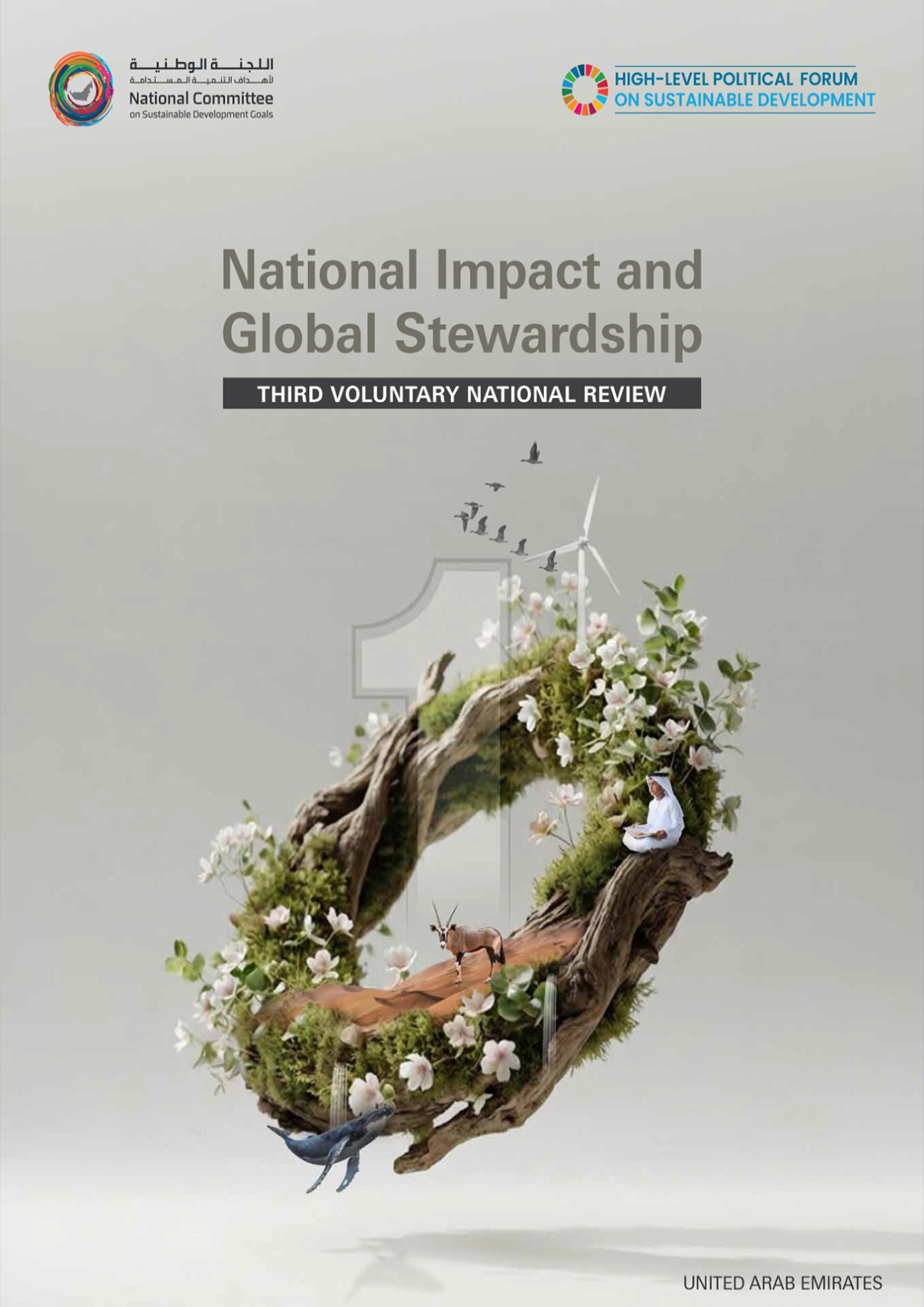
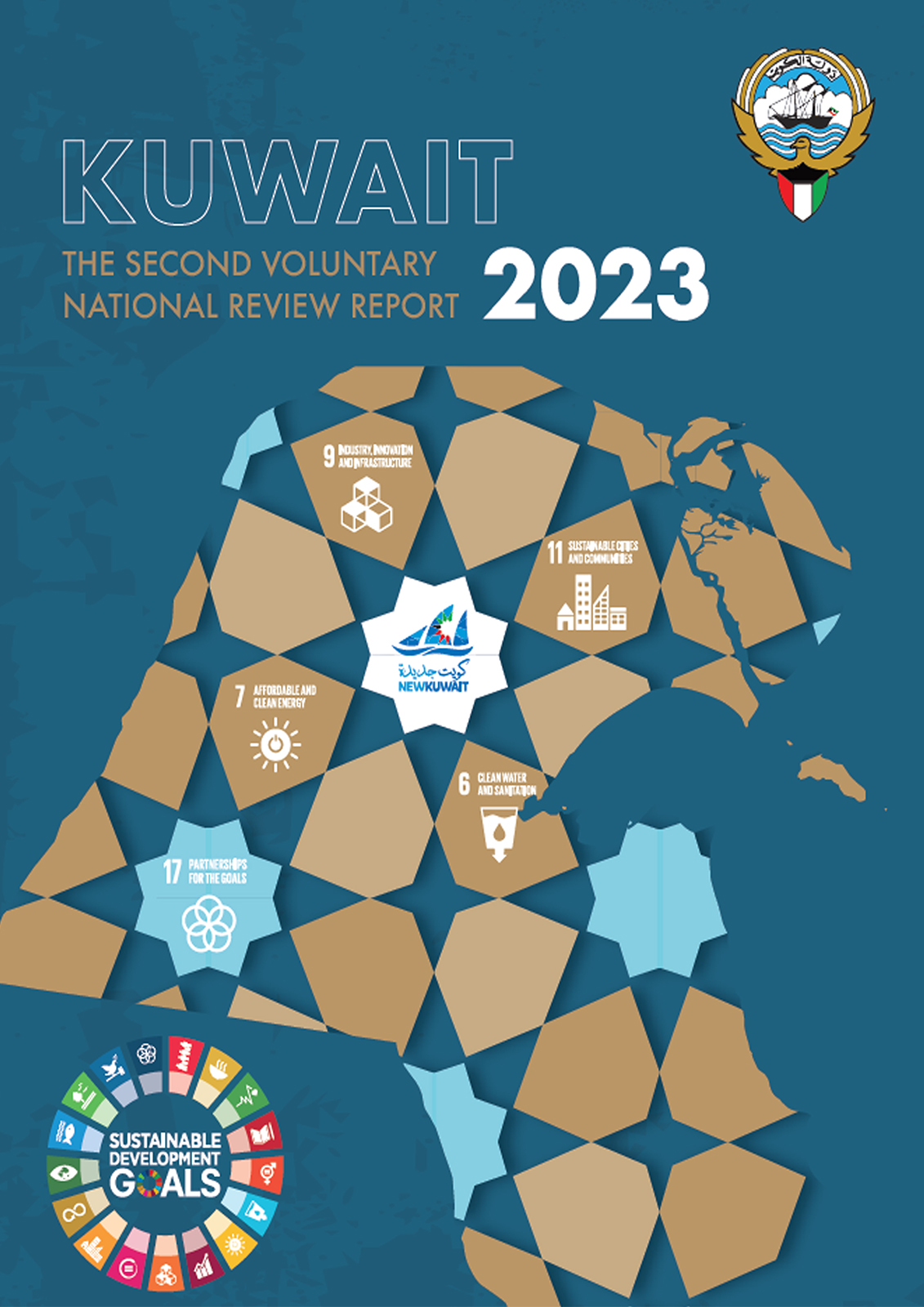
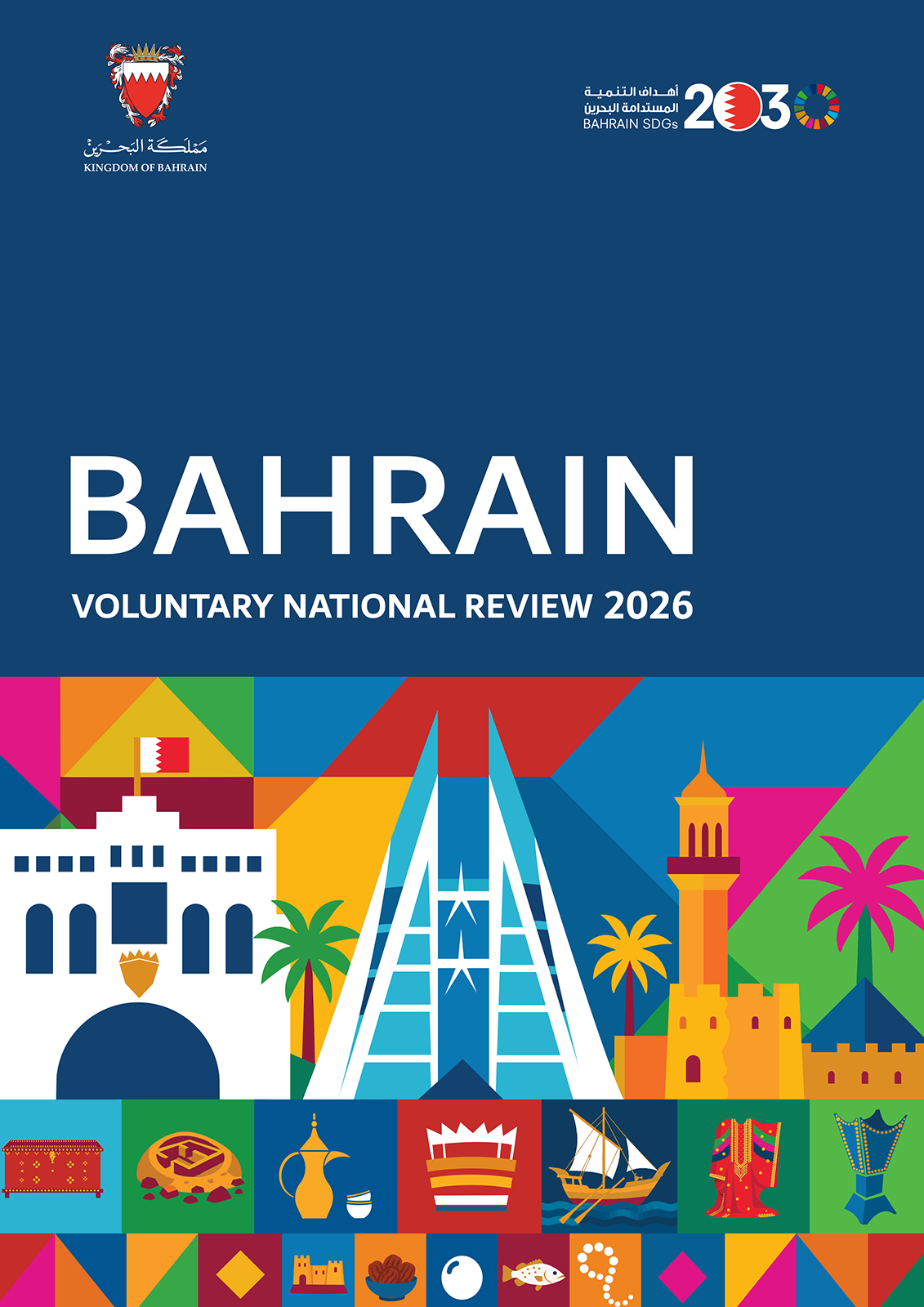
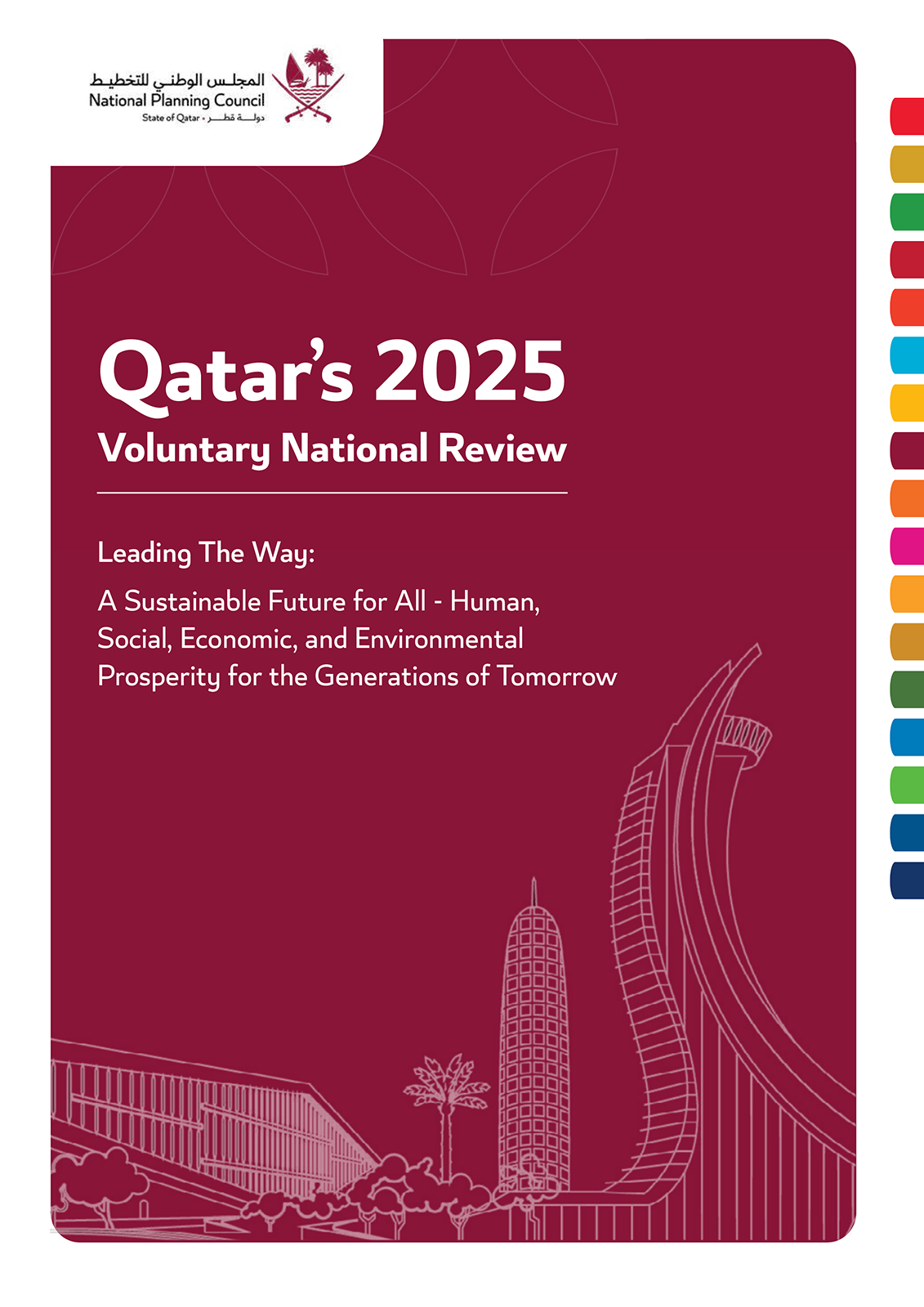
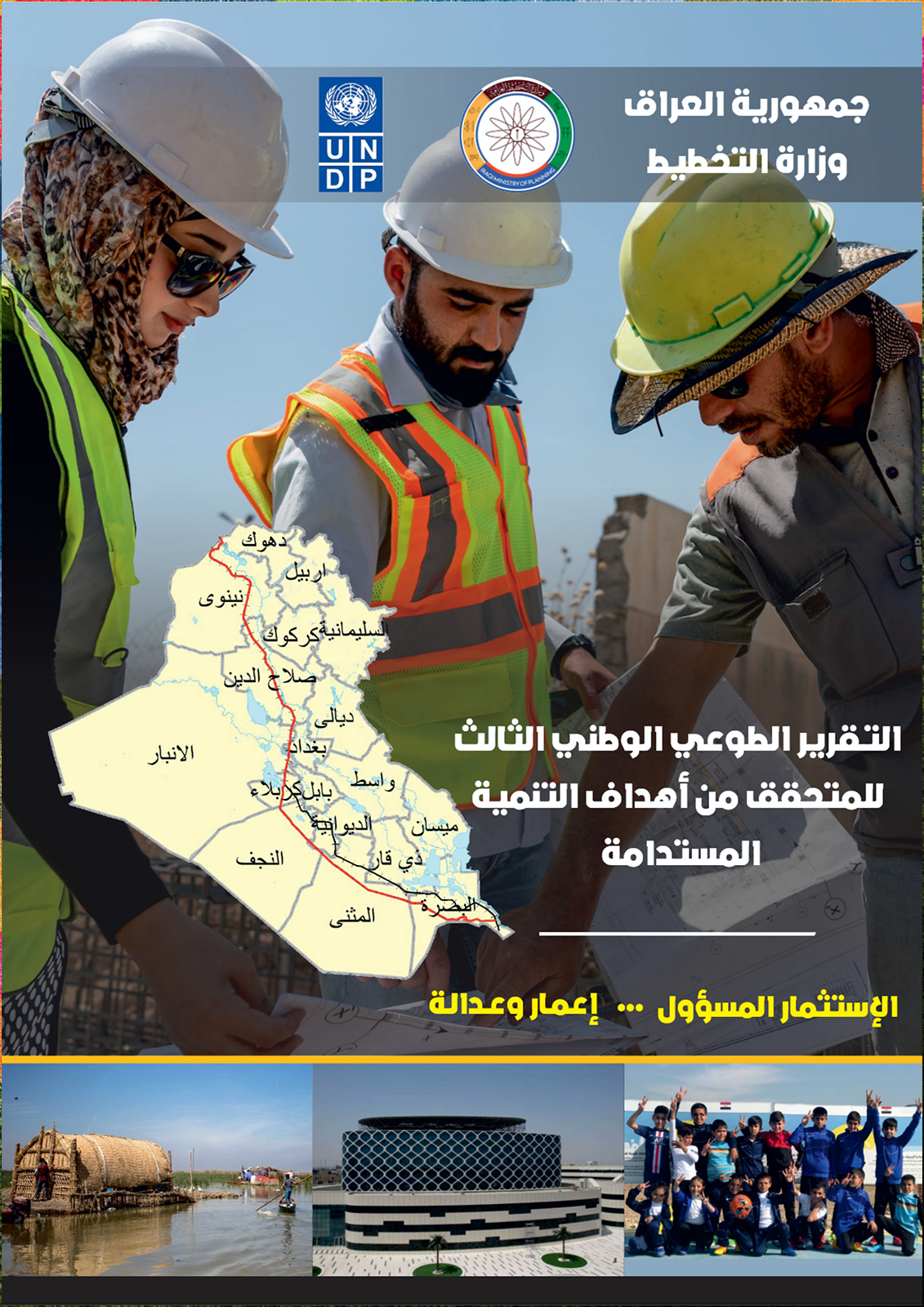
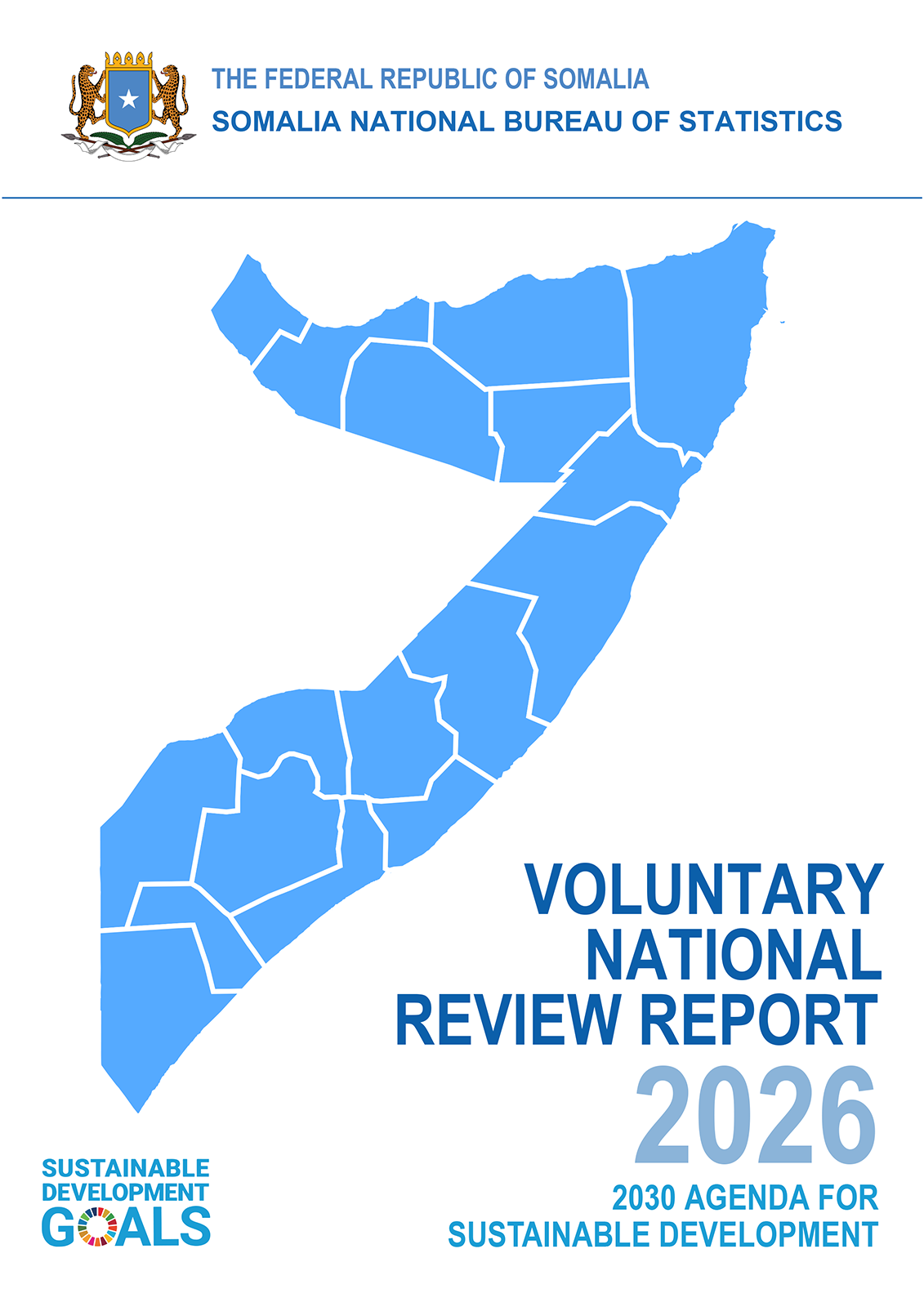
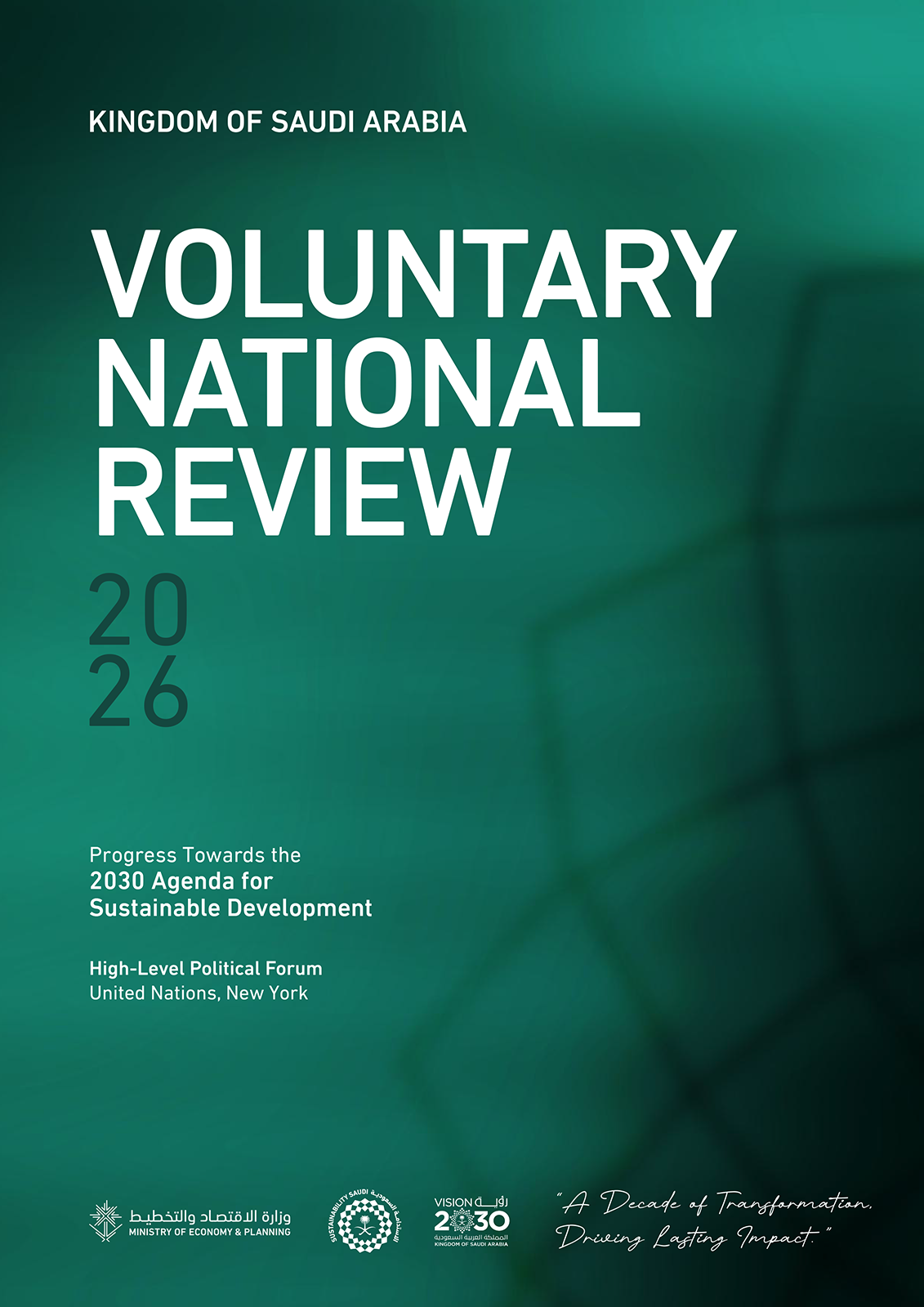
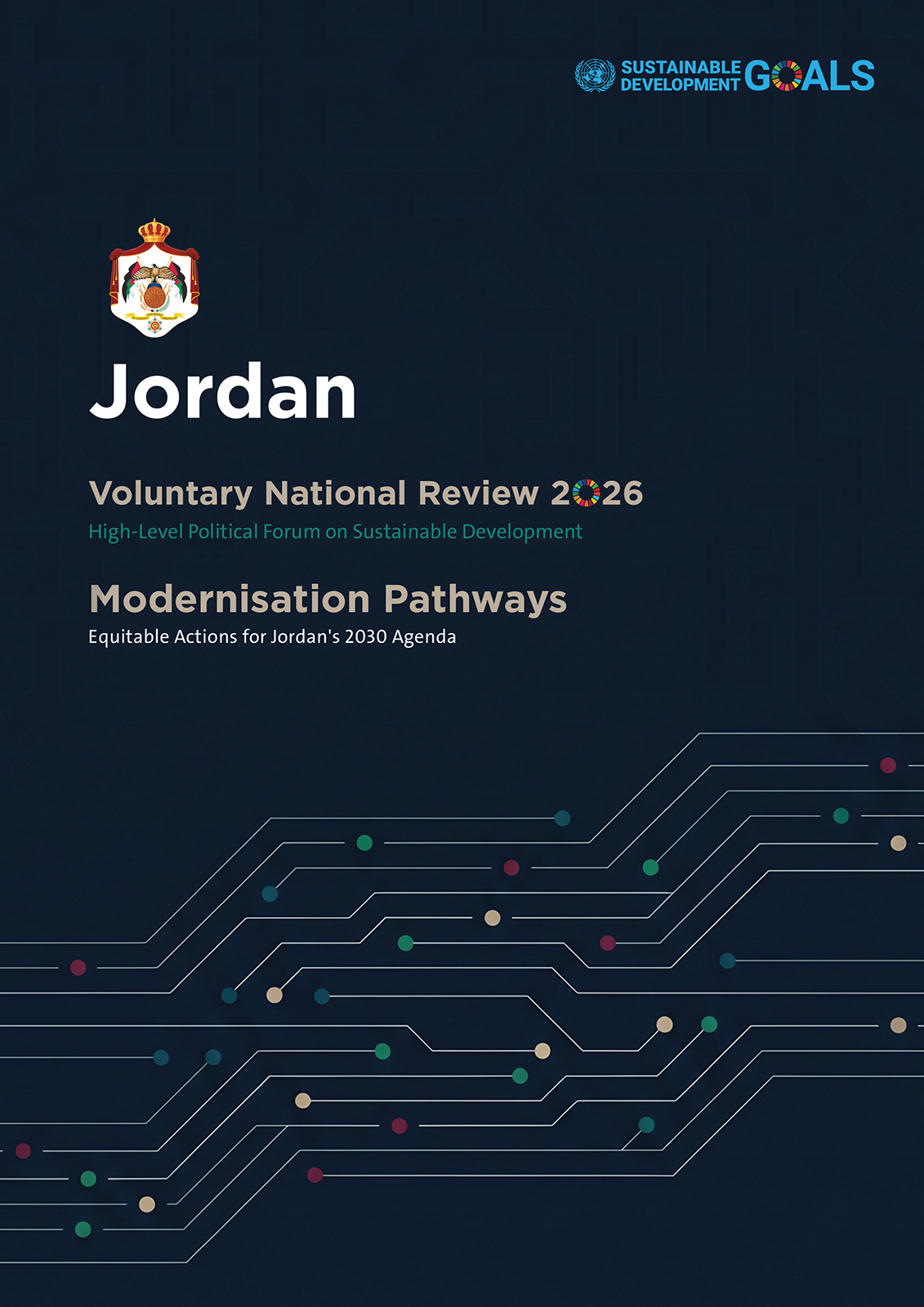
During the conference, we encourage all participants to explore all Arab countries Voluntary National Reviews (VNRs) which were analysed as part of WASD Sustainable Development Goals Tracker (WASD Sustainable Development Tracker Initiative. The SDGT offers a comprehensive, data-driven, and comparable tool that tracks each nation’s implementation of the 2030 Agenda for Sustainable Development.

Participants, governments representatives and diplomat will have the opportunity to reflect and discuss on various issue regarding SDGT such as accuracy and relevance of the VNR analysis for their countries; key achievements, gaps, and challenges in SDG implementation; the effectiveness of national monitoring and reporting mechanisms; opportunities to improve data collection, stakeholder engagement, and policy alignment; and recommendations for enhancing the SDGT methodology and reporting process.


Egypt VNR 2021

Egypt VNR 2021

Egypt VNR 2021


Oman VNR 2024

Oman VNR 2024

Oman VNR 2024

Oman VNR 2024

Oman VNR 2024

Oman VNR 2024

Oman VNR 2024

Oman VNR 2024

Oman VNR 2024

Oman VNR 2024

Oman VNR 2024

Oman VNR 2024

Oman VNR 2024

Oman VNR 2024

Oman VNR 2024

Oman VNR 2024

Oman VNR 2024

Oman VNR 2024

Call for Contributions

As a committed supporter of meaningful global initiatives, we invite you to be a key partner in realising this vision. Your invaluable support can make a profound impact on the success of our conference, fostering positive change on a global scale.

Paper Submission: Deadline for Abstract 15th December 2026 Paper Submission: 15th January 2027
Please submit your abstract/paper (s) directly to the Track Chairs with a copy to the conference Coordinator at wissam.gmw@uoanbar.edu.iq and Phone: [00964-7814070460], there is a limit of two paper submissions per presenting author. Submission to the conference is open to all disciplines and backgrounds and the conference research tracks are listed below, but authors are not limited to this list and you may propose other relevant topics for your papers. Authors who are uncertain of the appropriate track for their papers should consult the conference coordinator.

Global impact: By supporting global universities, you are contributing to initiatives that transcend borders and address the interconnected challenges outlined by the SDGs.

Investing in future leaders: Global universities are hubs of innovation and education, nurturing the next generation of leaders equipped to tackle complex global issues. Your support directly invests in the development of these change-makers.

Sustainable solutions: Through cutting-edge research, collaborative projects, and community engagement, universities are actively developing and implementing sustainable solutions that align with the SDGs. Your funding ensures the continuity and expansion of these impactful endeavours.

Amplifying reach: Your support will help us amplify our message, reaching a broader audience and inspiring more individuals, institutions, and communities to actively engage in SDG implementation.

Accounting, banking and finance
This track will focus on papers that directly deal with issues relating to accounting, banking and finance. Contribution may be based on theoretical, empirical or case study analysis, with implications for sustaining and improving global competitiveness in both private and public organisations.
Aerospace technology and aviation management
This track includes papers dealing with topics as diverse as appropriate to Aerospace and Aviation industry. These include technology development, industrial applications, environmental issues, aviation management and related topics. It will cover knowledge generation, application, dissemination, plus related issues arising from civil society and hybrid organisations, on such matters as development, intellectual property rights, investment and educational policy. Original contributions from members of the academia, industry, the public and the private sectors, would be sought. Papers with a critical perspective are especially encouraged, as are contributions from those whose “local knowledge” can stimulate thinking around the world.
Agricultural research and technology
The track welcomes contribution in all areas of agricultural science and technology transfer, adoption and impact analysis. Papers on the following topics will be considered: Sustainable management of the natural resource base; Animal health, food safety and post harvest; Biotechnology; Identification of crops, livestock, fisheries and forestry practices suitable for disaster prone areas; Underutilized crops plant species and commodities; Climate change and agriculture; Production systems; Impact of using gender analysis in technology development and transfer; Agriculture and health; Organic agriculture; Experience in participatory technology development and transfer; and Agricultural research and poverty reduction.
Animal research and veterinary medicine
This track welcomes contribution in all areas of animal research and veterinary medicine. Papers focusing on animal health, livestock, etc will be considered.
Beyond incubators: entrepreneurship and innovation
This track will focus on papers which directly address current issues in in the field of entrepreneurship and innovation management and related topics. It offers an interface between entrepreneurship and domains of innovation, as well as Benchmarking, R&D evaluation and Technology Road-mapping and governmental economic development. Additionally, it considers business incubators best practices and outcomes worldwide such as smart employment growth, technology transfer and commercialization. The track also welcomes papers that are strongly empirical and apply rigorous statistical and econometric techniques to good quality macro and microeconomic data.
Book review
The backbone of a discipline is a critical engagement with the literature of that discipline. By contributing to the Book Review section, WASD will show the seriousness of its intellectual engagement in issues at the core of WASD. Reviews are therefore invited that will stimulate readers not only to read the relevant texts, but also to act as a vehicle for disseminating current knowledge.
Business and agribusiness management
This track will focus on papers which address issues such as: Economics, finance, management, marketing, and planning; Economy and marketing agricultural products; Management of agricultural enterprises; Management of golf courses; and Appraisal of environmental and agricultural issues.
Change management
This track welcomes papers in all areas of change management which address issues such as:

  • What the change is?
  • Why is the change important?
  • What are the reasons for change?
  • What are the processes to undertake for successful change management?
  • What are the intended benefits?
  • How and when to communicate change?
  • What are the risks associated with not managing the change?
Changing demography of the world
This research track includes papers that treat with different dimensions of population dynamics and their past and prospective impacts upon variations in living standards and the attainment of sustainable development in developing countries. It seeks papers that draw on demographic insights which emphasize the impact of population dynamics on national and regional development outcomes. Prospective panellists are encouraged to submit abstracts of papers addressing the impact of changing population structures predicated upon factors such as age, ethnicity, human capital and nativity in the context of implications for enhancing national and regional development outcomes. Moreover, the implications of changes in fertility behaviour, mortality trends and migratory patterns have profound implications in determining the fate of human populations in national and regional contexts. As such, prospective panellists are also encouraged to submit abstracts of papers that focus on such themes.
Climate change and environmental sustainability

The primary focus here is the effects of climate change and the socio-economic and political implications for environmentally sustainable development. The challenge of mitigating anthropogenic carbon dioxide emissions which cause climate change is inextricably linked to the challenges of sustainable development and environmental sustainability. Humanity’s pursuit of development and progress is now in conflict with the limitations of our planet’s “carrying capacity”. Indeed climate change is now a central topic of concern in multilateral fora, as evidenced by its centrality in the recently held UN General Assembly. As such, prospective panellists are encouraged to submit abstracts of papers that focus on such themes as climate change, environmental sustainability, the environment and development, trade and the environment and sustainable development.

Culture and development
This research track is concerned with exploring and deconstructing analytical frames that guide cultural development, including praxis that can inform deeper understanding of culture as an integral part of development. While there is much to suggest that culture plays a significant role in human progress and development, the treatment of culture largely remains disconnected from the overall agenda on development. Papers under this research track ought to consider the relevance of culture to the burgeoning creative economy, global trade, intellectual property wealth, and sustainable development. Prospective presenters are invited to submit abstracts for papers focusing on creativity, innovation and development; culture and IPRS – challenges and prospects for national development in the digital era; cultural industries and global trade; culture and the diaspora as a nexus for development; cultural policy and national development; and culture as an agent of sustainable development.
Diasporic tourism, investment and brain circulation
This track will examine the strategic opportunities from diasporic tourism and investment (the travel and tourism impact of diasporic communities). Under examination will be the challenges associated with this sub sector of DCs tourism, and the potential wider impact on the DCs economy in terms of employment growth, foreign exchange earnings and the distribution of income. Recommendations will be explored on how local and diasporic enterprises and agencies can enhance diasporic tourism through ICTs and thereby expand market share in the sector. The track will also examine the strategic opportunities for DCs from brain circulation – the return migration and/or investment of professionals and other skilled labour. The track will assess the existing and potential impact of brain circulation on the DCs economy and identify some of the challenges associated with facilitating the return of skilled resources and/or facilitating their investment. Recommendations will also be explored on how source country governments, enterprises and agencies can exploit the benefits of brain circulation and ensure increased access to needed skills.
Economics and monetary policies

This track will focus on papers which directly address current issues in economic development, applied analyses of economic and financial issues including growth, trade, IMF and World Bank policies, financial liberalisation and matters which straddle both economic and finance problems relating to sustainable development. The track also welcomes papers that are strongly empirical and apply rigorous statistical and econometric techniques to good quality macro and microeconomic data.

Ecotourism and sustainable tourism development

This track will focus on papers, which directly address current issues on eco-tourism and sustainable tourism practices and principles. It will provide knowledge on how tourism development can directly contribute to environmental sustainability and conservation of natural ecosystems. Its policy-oriented research will also focus on eco-tourism as a tool for poverty alleviation and biodiversity conservation, as well as socially and environmentally responsible tourism practices. This track welcomes articles and book reviews as well. Contributions to this track could be based on empirical, field studies or case studies. Papers covering theoretical and empirical issues on the following topics will be considered: Ecotourism: Principles, Practices and Policies for Sustainability; Sustainable Travel &Tourism: The Tour Operators’ Contribution; Managing Environmental and Social Issues; Renewable Energy Opportunities in the Tourism Industry; Water and Waste Management in the tourism industry; Tourism, Biodiversity and Conservation Management; Industry as a Partner for Sustainable Development; Ecolabels in the Tourism Industry; Environmental Codes of Conduct for Tourism; Sustainable Tourism in Protected Areas; Improving Coastal and Marine resources Environment; Development of National Parks and Protected Areas for Tourism.

Employment, leadership and HRM
Includes papers dealing with topics as diverse as the employment or labour market effects on different groups of the application of alternative technologies, and/or entrepreneurship organizational changes etc at national, local or firm levels. Papers may cover theoretical and applied issues, leading to clear improvements in knowledge and/or policy prescriptions. Contributions from those whose “local knowledge” can stimulate thinking around the world are welcomed. Papers for this track are welcome that contextualise HR within a sustainable development context. Although all papers are welcome, however, in line with the theme of the conference contributors are encouraged to consider issues, for example, such as the impact of Climate Change, Environment, Energy on:

  • the restructuring of the labour force profile – the development of new positions, job redundancy, job restructuring etc
  • unemployment relating to the theme
  • the restructuring of organisations and work
  • employment in the small and medium size business sector – a way to address the new changes and challenges
  • migration
  • developments in information technology relating to HR
Engineering applications and management
This track includes papers focus on Industrial Engineering; Engineering Design; Town Planning; Transportation; Electricity Generation & Distribution; Satellites; Remote Sensing; Aerospace and Aviation Technologies. These include technology development, industrial applications, environmental issues, aviation management and related topics. It will cover knowledge generation, application, dissemination, plus related issues arising from civil society and hybrid organisations, on such matters as development, intellectual property rights, investment and educational policy. Original contributions from members of the academia, industry, the public and the private sectors, would be sought. Papers with a critical perspective are especially encouraged, as are contributions from those whose “local knowledge” can stimulate thinking around the world. The track also includes papers covering both conceptual and applied studies of the technological and socio-cultural issues and impacts of specific modes of transportation as well as the integration of different modes of tranportation to form efficient, multimodal transportation networks. Special emphasis will be given to papers focusing on the development and sustainability of transportation systems and networks.
Environment and development
This track will focus on papers address issues related to environment and development, green productivity and impact of development on environment from economics, management and environmental perspectives. The track welcomes empirical and policy papers connected to environment and development.
Environment, energy and water
This track welcomes contribution in all areas with diverse topics of environmental engineering and management including papers in the areas of wastewater treatment, management, recovery, reuse as well as solid waste managements, disposal, recycling and the role of community in promoting recycling activities. Moreover, environmental awareness and regulations that lead to proper managements of waste, resulting in the protection of environment, heath and sustainable developments are all important. Case studies in developing countries in addition to successful ones of developed countries to properly manage environmental problems leading to dissemination of information and technology transfer in global basis are also encouraged. Environmental impact assessment, industrial pollution reduction and the use of renewable energy as an alternative for pollution reduction are important factors nowadays.
Food nutrition and public health

This track will focus on food science, nutrition and public health. Topics covered include: impact of nutritional science on food product development; nutritional implications of food processing; food safety, hygiene and control; bioavailability of nutrients; nutritional quality of novel foods; food-nutrient interactions; use of biotechnology in food science/nutrition; food acceptability and dietary selection; nutritional and physiological aspects of food; dietary requirements and nutritive value of food; nutritional epidemiology studies relating nutrition to health or disease risk; evaluation of effectiveness of intervention studies aimed at improving health; role of nutrition in high risk and vulnerable groups; development of research methods, validation of measures, calibration; population based research related to primary prevention of illness; nutritional biochemistry and metabolism; nutrient requirements in health and disease; digestion and absorption of foods; nutritional anthropology and epidemiology; the influence of socioeconomic, cultural and political factors on nutrition of the individual and the community; the impact of nutrient intake on disease response, work performance and behaviour; the consequences of nutritional deficiency on growth and development, endocrines, nervous system and immunity; food intolerance and allergy; nutrient drug interactions; nutrition and aging; nutrition and cancer; obesity; intervention programs; Medical Nutrition Therapy (MNT); Scope/ Standards of dietetics practice; Quality managment in nutrition & dietetics practice; Nutrition care process; code of ethics for the profession of dietetics; nutrition & dietetics services and practice; nutrition informatics.

Food security and indigenous development
This track will focus on papers which directly addresses current issues on food security and indigenous development. It will provide knowledge on how advances in technological innovations in information and communications technologies have contributed to food security and advancement in indigenous development, especially in narrowing the digital divide between by addressing needs of the most disadvantaged communities in developing countries.
Future directions of communities and voluntary organizations in the Diaspora
This track will focus on the role of communities and voluntary organizations within the Diaspora in the development of future cultural programming. Do such organizations have a role to play in developing trends within the Diaspora? How can they shape future trends within the Diaspora? How can they help in promoting greater cultural participation within the Diasporic thematic context outlined above? How will they enable experimentation and social change within the cultural milieu of Diasporic contestations? What are some of the future challenges such organizations are likely to face in developing perspectives that encompass pluralism and diversity as major characteristics in Diasporic societies? What is the future role of religion and spirituality in Diasporic Culture? Does religious conversion have an impact on cultural practices in the Diaspora?
Global crisis: death or resurgence of neoliberalism?
As the ‘subprime’ crisis of 2007 mutated into a full-blown global emergency, characterised by widespread – and co-ordinated – recessions, massive and unprecedented public investments to stave off collapse of industry, and soaring commodity-price inflation which had debilitating impacts in much of the poorer parts of the world, many thinkers began to question whether Neoliberalism had finally reached its nadir. However, by late 2009, as bankers in the developed-world begin to enjoy the return of their notorious bonuses, the way the crisis has been constructed intellectually by many neoliberal gatekeepers reflects a very different reality. The purpose, therefore, of papers in this track, is to explore the ways in which the crisis has been constructed, what it means for Neoliberalism in either theory or practice, and what the future (if, indeed, one exists) of a post-Neoliberal development theory might look like.
Global crisis: potentialities, tendencies in modes of accumulation, consumption and global configuration
The current financial, economic and ecological crisis is not just a blip on the curve of what would otherwise be described as business as usual. The current crisis relates to the fact that the global economy has been in a phase of massive structural changes, with a myriad of imbalances (e.g. global warming, credit crunches, housing and technology bubbles, rising trade deficits, decline of the US$ as the world reserve currency). Economic historians suggest that the contemporary challenges are similar to the systemic transformations that accompanied the economic crises of the 1820s, 1870s, and the 1930s. However, periods of crisis are not bad for everyone or every place. The countries that have been able to expand their share of global value–added are those that have been able to amass the requisite human and technological resources to capture market shares in new leading sectors. What is the appropriate innovation and technology governance strategy for small and developing economies in the emerging global economy? Which countries and sectors are the winners and losers and from where will the new sources of world demand and consumption come are some of the key questions that this panel aims to address.
Heritage and historical contexts
This track will explore the range of legacies and historical experiences that continue to shape host communities across the world for the Diaspora. It would consider issues such as religio-cultural beliefs and practices; cultural and economic traditions; Language as a vehicle for the transmission of culture; cultural diversity, ethnicity and nationalism; and adaptations, assimilations and synthesization of culture in the host country.
ICTs applications, knowledge management, human capital and development
This track includes papers covering a broad spectrum of diverse topics in the fields of information technology and e-commerce, including the technological pace of change, the impact of technology, technological developments, e-commerce and dotcom on marketing, management and communication in businesses, innovative information technology research, interconnectiveness, database marketing, online marketing and marketing in the electronic age, to mention a few. Papers with critical theoretical perspectives and/or research and development in these areas are encouraged. The track will also focus on papers deal with matters linked to ICT, Human Capital and Development, Knowledge economy, knowledge management and issues related ICT and human capital role in development. The track welcomes empirical, theoretical and policy papers connected to ICT, Human Capital.
Impact of financial crises and risks of innovation sustainability on SMEs
The global financial crisis has affected credit flows towards various groups of firms to different degrees, depending on their size, location and riskiness. For small and medium-sized enterprises (SMEs) continued innovation is critical for survival, in such a context, SMEs are particularly vulnerable to the availability of capital capacity. Papers in the areas within context are welcome, some areas for consideration are:

  • impact of the global financial crisis on SME sustainability
  • innovation risk and SME sustainability
  • qualitative and quantitative models of sustainability in dealing with SME financial distress
  • SME Risk Management
International business and trade

This track includes theoretical and applied papers that present clear and sound theoretical, qualitative and quantitative assessment, evaluation of existing models, or suggest new models that discuss appropriateness or barriers and problems of International business and trade. This track will further include papers dealing with topics as diverse as appropriate Foreign entry, networking, international business and technology, industrial ecology, globalization, global marketing and management, cultural across countries, culture and managerial skills, country business attractiveness, the democratic management of international business, international innovation, technology transfer, international economical, technological, legal, juridical, social, political and ecological factors impacting international business and trade. business- Government Relations and Business ethnic and ethics.

International development

This track includes papers dealing with topics relating policy and conceptual contributions that link science, technology and sustainable development with poverty reduction and the 2015 targets, inequality and economic growth in developing countries. Papers with a critical perspective are especially encouraged, as are contributions from researchers and scholars in the South.

Marketing

This track welcomes contributions in all areas of marketing: Operations (4 P’s), strategy, research, private or business consumer behaviour, segmentation, marketing management and control etc. Contributions should be capable of increasing knowledge of the nature and role of marketing, particularly the potential application of marketing approach to current problems of economic development and poverty alleviation, as well as improve the practice of marketing in business organisations. Review articles or book reviews are also welcome. Contributions to this track could be based on empirical, field studies or theoretical or conceptual analysis.

Mathematical sciences and quantitative methods
Includes applied papers that present clear and sound quantitative assessment, evaluation of existing models, or suggest new models that discuss appropriateness or barriers and problems of technology transfer within an urban and rural development context. The tools to be utilized in the analysis include statistical and mathematical modeling techniques and other quantitative methods. Papers may cover a variety of issues in sustainable development and technology transfer. These include (but are not limited to):

  1. Use of Operations Research, optimization and linear programming in issues such as resource allocation, performance and technology measurement, and technology adoption constraints.
  2. Use of demographic techniques in assessing the growing role of demographic issues in human resources development, particularly in transition economies.
  3. Modeling the impact of finance and investments on technology, the impact of epidemic and chronic problems on development.
Medical and health sciences
The track includes papers related to the development of strategies for management of health and disease. Emphasis will be given to the topics like development of health policies for developing countries, biotechnological revolution in the current century, research on vaccine development, etc.
MIS and E-Commerce
This track includes papers covering a broad spectrum of diverse topics in the fields of information technology and e-commerce, including the technological pace of change, the impact of technology, technological developments, e-commerce and dotcom on marketing, management and communication in businesses, innovative information technology research, interconnectiveness, database marketing, online marketing and marketing in the electronic age, to mention a few. Papers with critical theoretical perspectives and/or research and development in these areas are encouraged.
New regionalisms and the changing context of global politics

The global system in the 21st century has more state & non-state actors who face more global issues than ever before. Hence the proliferation of regions as different actors attempt to garner support from neighbouring networks. Today, the goals and focus of regionalism have expanded to include not only economic, political, security, and social issues, but also the private sector and non-state actors in their activities. The ‘new’ regionalism approach to analysis & practice recognises non-state & non-formal even illegal transboundary relationships; involve river valleys & energy pipelines as well as drugs & guns, people & animals; include EPZs, triangles & corridors; and can also stretch to inter-regionalisms as in EU’s EPAs & ASEM. While the meaning of new regionalism may refer to a variety of approaches and theories, underpinning it are numerous interrelated dynamics: a stronger construction among geographically contiguous states of their collective identity as cohesive regions; greater political intent by leaders to foster consolidation; and the perceived need to strengthen regional blocs as a means to integrate more effectively into the globalizing world economy. Thus, new regionalism is characterized by two features:
a) it exceeds the framework of the nation-state and projects the regions in a competitive mode; and
b) it is characterized by increased cross-border trade at a regional level, as well as cross-border coalitions of states, intergovernmental organizations, civil society, business coalitions, and multinational firms engaged in the co-construction of an emerging regional governance framework.

Again, new regionalism is not only emerging more or less all over the world, but is more inclusive around emerging issues like ecology, energy, land, security, and water. Another characteristic of new regionalism is the relevance of bottom-up phenomena. It is both pluralistic and global, has evolved in a multipolar context, and multifaceted. This tract seeks papers that address the emerging forms and impact of new regionalisms and the challenges that face its myriad actors in their quest to realize viable economic development and integration in light of a changing global political landscape.

Oil, gas and coal technologies
This track explore the future impact of Oil, Gas and Coal Technologies on Energy, Environment and Sustainable Development. Despite current decline in oil prices, hydrocarbon resources especially oil and gas reserves are limited and it is expected that once the world goes through the current economic downturn, demand on these commodities will increase sharply. As now the attention is on increasing energy production from renewable sources, future of petroleum industry would be in the petrochemical industries and non-fuel applications. Future refineries can be used as to produce feedstocks to petrochemical industries and integration of these industries is being studied by major oil companies. Conversion of petroleum to petrochemicals rather than fuels for transportation would be attractive from economical and environmental points of view. In this session we are interested in having papers that address future directions for the oil, gas and coal industries with environmental and economical considerations.
Performance management
This track focus on all aspects of performance management activities that are in place to enhance organisational performance as well as managing individuals and teams in order to achieve a high level of performance in accordance with the organisations objectives. The track also welcomes papers exploring various tools used for performance management such as:

  • Performance and Development Reviews
  • Learning and Development
  • Coaching
  • Objectives/Goals and Performance Standards
  • Competences and Competencies
  • Measurement
  • Pay
  • Teams
  • 360 degree feedback
Performative, visual and creative arts
This track would explore issues relating to new opportunities for creativity within the diaspora context; challenges of the evolving performative, visual and creative arts in the Diaspora environment; future changes in the Diaspora in terms of traditions and innovations; constraints, responsibilities and sustainability in terms of the construction of new vistas for the arts in the Diaspora.
Political and economic governance structures: towards reform
Much was made of the way in which, with the onset of the global crisis, the hastily-promoted G20 conferences of November 2008 in Washington DC, and 2009 in London, were intended to achieve a putative ‘Bretton Woods II’. Not wishing to be under-hyped, the conferences were even hailed in some quarters as representing the opening of global democracy to the hitherto unrepresented (perhaps oblivious to the 150 countries, or the 36% of the global population not encompassed by the G20). Others suggested that the G20 was actually something of a ‘G2’ or ‘G4’ and yet other critics pointed to the fact that the institution is actually, at best, of marginal importance in global affairs. Meanwhile, the WTO is in limbo as the Doha Development Agenda has reached an impasse, and calls for further democratisation of the IMF and World Bank grow ever louder. The UN makes slow but meaningful progress in moving towards a post-Kyoto agreement with the Cop-15 process, whilst being stymied in other policy arenas, and all the while, other processes of regional and global governance – the EU, Caricom, ALBA, Mercosur, the African Union the OECD, the G7/8 etc. – move onwards in a variety of complex ways. As such, the purpose of papers in this track should be to explore the different processes of regional and global structural reconfiguration, and attempt to make critical sense of what they mean for broader processes of international governance and development.
Political science
Because Politics permeates many endeavours, this track will entertain papers anchored in matters political from cross-cutting disciplines and sub-disciplines. In the main, however, papers argued from political perspectives will be considered which provide: Critical, up-to-date, comparative analysis of competing value systems that impede or enhance sustainable development in many regions of the globe; Empirical essays of undiluted originality that enhance our understanding of and proffer solutions to impediments to sustainable development; Enhancement of our understanding of the regional, state and global decision-making that impact sustainable development; Challenge to preconceived and biased assumptions about Third World development; Arousal of curiosity and fostering of critical thinking on solutions to development problems; Discussions on power, its use and abuse that impede transfer of appropriate technology, thus impeding development; Discussion on roles of state and international actors that impact sustainable development; Step-by-step methodology on technology transfer vis-à-vis technology dumping; Case studies and models of sustainable development; and Above all, discussions and solutions that are neither speculative nor academic but practical and actual; simple and non-esoteric.
Public policy and higher education

This track welcomes a wide variety of contributions that include technology and its application to teaching and learning in Higher Education. These may include topics such as e-learning/distance learning and globalisation, technologically driven learning and teaching strategies, the application of technology in teaching and learning, the evaluation of technologically driven teaching and learning strategies. Papers with a critical perspective are particularly encouraged. Quality assurance and accreditation of higher education institutions and programs concerning related standards such as learning resources, program administration, facilities and equipment, student administration, support services and research are also welcomed.

Real estate for economic development
This track focus on empirical and theoretical papers addressing issues of property rights, security of titles to land and landed property, real estate development and finance, corporate real estate issues and how innovative thinking in these areas could be combined to harness the potential of real estate sectors in the developing world to achieve sustainable economic development. Papers drawing on lesions from the developed world would be welcomed. So are those analysing the state of real estate sectors in chosen developing countries and pointing out sources of problems and suggesting solutions.
Renewable energy technologies
This track address issues that will be central to the contribution of Renewable Energy Technologies (RETs) in the energy sector, technological upgradation, innovations, policies, strategies, best practices, political ecological and social implications and sustainable development.
Rethinking human progress: towards a balance of diversity and efficiency
This interdisciplinary track on the dynamics of global change will address the convergence of social trends including aging, global social networking, migration, transnational crime and postcolonial identity politics with advanced information, communications and strategic technologies. Papers should offer perspectives on the challenge of balancing diverse cultures, sources of information and authority and social systems with the needs to maximise the efficiency of commercial and governance systems at the local and global level. Papers should include a theoretical or empirical framework that combines at least two (2) of the following themes:

  • Environment and Political Ecology
  • Peace and Conflict
  • Human Rights and Collective Responsibility (incl. Multilateralism)
  • Governance (incl. perspectives on religion, family and education)
  • Management, Business and Development
  • Aesthetics (Arts, Cultural Policy and Architecture)
  • Reproduction, Health, Sexuality and Recreation

Collaborative, non-linear or multi-media presentations are welcome, but should be accompanied by publishable manuscripts.

Risk management
The track welcomes contributions in all areas of risk management and risk behaviour. Contributions can straddle the different dimensions of risk management and risk behaviour including financial risk management (covering issues such as insurance risks, pension and social insurance risks, corporate risk and systemic risk implications for organisations), physical risk management (covering issues such as crisis and disaster management and systems risk) and behavioural risk (risk of human failure, corporate governance, risk regulation, simulation and operations risk and modelling). Contributions to this track may be empirical, conceptual or case study analysis, with relevance to current organisational contexts.
Role of multilateral institutions in sustainable development
This track seeks to attract representatives of the various multilateral organisations that do work in the MENA region and to give them the opportunity to share their views/perspectives/approaches/activities with respect to sustainable development in the region. We hoping to have a panel discussion during the conference focusing on the work of different organisations in the region.
Science, technology and innovation
This track include papers dealing with topics as diverse as appropriate technology, industrial ecology, globalisation and the democratic management of innovation. It will cover knowledge generation, diffusion and uptake and actors in academia, the public and the private sectors, plus issues arising from civil society and hybrid organisations, on such matters as intellectual property rights, investment and educational policy. Papers with a critical perspective are especially encouraged, as are contributions from those whose “local knowledge” can stimulate thinking around the world.
Security
This track is concerned with the mounting debate concerning the soundness and direction of security policies and aspires to reflect the inherently multidisciplinary character of the field. Security is increasingly being defined by nations not only in the conventional modes of military power, sovereignty and governmental stability, but also in terms of disciplines previously less fundamental: Economic Security; Energy Security; Environmental Security; Food Security; Health Security; Human Security; Resource Security; Security Development Nexus. Arguments of the merits and demerits of the utility of globalization abounds. Proponents of the neo-liberal approach posit that globalization has brought new opportunities. But arguably globalization has increasingly “diffuse insecurity” to the south and immensely facilitated increasingly complex, interconnected and unpredictable risks and threats to security. These developments and others are driven by diverse and interconnected set of underlying factors, including competition for energy, poverty, poor governance, demographic changes, climate change, information and communication technologies which have given rise to novel security conditions and dynamics. Prospective presenters are invited to submit abstracts for papers focusing on security issues: Economic Security; Energy Security; Environmental Security; Food Security; Health Security; Human Security; Resource Security; Security Development Nexus; globalization and Security; Private Security; Regional Security: Sovereignty, Failed State.
Services research
This track welcomes contribution in all areas covering broad and diverse issues in service research. Manuscripts could be based on empirical, field studies or theoretical or conceptual analysis leading to clear improvements in knowledge and/or policy prescriptions to cope with an increasingly service-based economy. Manuscripts offering a multidisciplinary and international perspective on services practices are welcomed. The following topics are illustrative, but are neither exhaustive nor mutually exclusive: Service marketing; Service operations; Quality initiatives and developments in service sector; E-Service initiatives; Service information systems; Customer satisfaction, customer retention and service quality; and Global issues in service.
Sustainable cities and communities

In this track, we take our starting point in cities and communities through integrated perspectives where we identify challenges and explore potentials and successful practices. The increasing focus of UN policies on sustainable development as a balance between social, economic, environmental and cultural goals has prompted more aware city strategies in many countries. Meanwhile, various challenges, including financial, political, institutional and legal limit cities’ opportunities and place pressure on jobs, services and housing. This often results in new priorities, reinforces inequality and releases conflicts. How can cities and communities face these challenges and become better places for living and work? How can they make the best use of their local potentials, qualities and resources in all terms to become fair, efficient, resilient, and leaders in their regions? How to improve planning approaches, institutional settings, governance, culture and legislation to enable more intelligent responses? What role can urban design and regeneration strategies play in strengthening the potentials and the sustainability of cities in terms of environment and health, dynamics, inclusiveness, connectivity, safety and synergies? What role can the innovative sectors play? How can a new urban-rural relationship benefit development and sustainability? How can an informed social entrepreneurship reinforce resilience and sustainability?

Sustainable development and the Millennium Development Goals (MDGs)

This track includes papers dealing with topics relating policy and conceptual contributions that link science, technology and sustainable development (SD) with poverty reduction and the 2015 targets, inequality and economic growth. Papers with a critical perspective are especially encouraged. The track will also look at the Millennium Development Goals (MDGs) and the role that civil society organisations can play in meeting it. It welcomes papers that critically look at the dilemmas, opportunities and challenges that the current consensus around the MDGs poses for civil society organisations. Contributions from researchers and activists working in developing countries are especially welcome. Papers may cover a variety of issues related to the MDGS from a variety of perspectives (e.g. human rights, gender, etc.) and these include but are not limited to: Examples of what civil society organisations are doing at the national and international levels to make governments and international institutions meet MDGs; Reflections on whether MDGs are effective instruments for poverty reduction; and Analysis of what opportunities MDGs create for global movements focusing on democracy, human rights, and poverty reduction. The track will also focus on empirical and theoretical papers addressing issues of property rights, security of titles to land and landed property, real estate development and finance, corporate real estate issues and how innovative thinking in these areas could be combined to harness the potential of real estate sectors to achieve sustainable economic development. Papers drawing on lessons from the developed world would be welcomed. So are those analysing the state of real estate sectors in Sudan and pointing out sources of problems and suggesting solutions.

Sustainable infrastructure systems and environmentally-conscious design

This track welcomes contribution in all areas covering broad and diverse issues in the subject of sustainable infrastructure systems at local, national or global levels. Papers cover theoretical and applied issues on the following topics will be considered: Sustainability and environmentally-conscious design; Concurrent engineering; Life-Cycle Cost Optimization; Sensor Technology; Intelligent System Technology; Signal Processing; and High-Performance Computing and Large-Scale Simulation.

The Emergence of BRICSAM as power brokers in the GPE
Various themes will be discussed in this track. The ‘emerging powers’ or the BRICs identified by Goldman Sachs have begun to organize themselves as well as be recognised by other state & non-state actors. But can they be increased to include the Outreach 5 of the G8 and/or the Next-11 (N-11)? South Africa is part of IBSA & Mexico is a member of NAFTA? How extensive is this new global middle will impact where it focuses: joining the OECD, being part of the global South or NAM, or stepping out as a new middle? Both BRICs & BRICSAM impact the global ecology, from energy & minerals to nuclear & climate change, including gender imbalances.
Traditional, alternative and complementary medicine

Recent advances in integrated and community medicine have motivated a lot of research in the direction of traditional, alternative and complementary therapies. Such combined specialities may have a wide range of applications, including assessments, interventions and surveillance of complex syndromes. They are bringing many new challenges and considerations in combating illnesses, which go well beyond the realm of conventional medicine. Given the overwhelming interest in traditional, alternative and complementary therapies in Western countries and their extensive usage in developing countries, this track is discussing efficacy, safety, cost-effectiveness and accessibility of traditional, alternative and complementary therapies in disease management. Furthermore, it aims to determine how some of these therapies can be integrated into clinical practice to improve patient care.

Traditions, commerce and cultural transmissions
This track will examine issues such as: How have traditions, commerce and cultural issues contributed to the development of future Diaspora communities? What are some new perspectives that might find parallel acceptability alongside traditional concerns in the future? What are some new cross-‘technoscapes’, ‘ethnoscapes’ and ’ideoscapes’ that can possibly influence approaches to future cultural developments in diaspora communities within the context of culture? In what ways and to what extent can present evolving trends of contemporary culture problematize the survival of identity in diaspora countries? Presenters on this topic may also consider the following topics: Traditions vs. innovations; Socio-religious context and future trends; identity: shifts, possibilities and perspectives in the 21st century.
Transportation studies

This track includes papers covering both conceptual and applied studies of the institutional, technical, technological, economic and socio-cultural issues and impacts of specific transportation modes and processes (and the interaction thereof) to foster efficiency and multimodalism in transportation networks. Special emphasis will be given to papers focusing on the development and sustainability of transportation systems and networks throughout the world. Abstract and papers of the track are based on, but not restricted to, the following themes:

  • Safety issues/trends of different transport modes
  • Institutional challenges to sustainable transport systems
  • Socio-economics and cultural factors vs. sustainability
  • Technologies and operating practices that improve system performance
  • Linking of transport systems funding and sustainability
  • Modal barriers to transport system optimization
  • Impacts and contribution of different Transport modes to public health
  • Operational, environmental and economic impacts of automation, autonomous vehicles
  • Sustainability and the economics of active transport
  • Sustainability of transport systems and advanced computation
  • Sustainability, reliability and resilience of transport systems
  • Environmental and climate impacts of transport systems
  • Energy impacts of transport systems
  • Role of information availability/use to promote modal efficiency
  • Safety, operational efficiency and economic impacts of connected vehicles
  • Planning for and integrating adaptation in transport systems
Wildlife research
This track welcomes contribution in all areas with diverse topics of wildlife science and technology transfer. Papers on the following topics will be considered: wildlife diseases, epidemiology and biotechnology, wildlife management, protected areas management plan, wildlife biology and wildlife conservation. The tracks will also focusing on papers address issues related to environment and sustainable development, socioeconomic , ecotourism and economic important of wildlife.
Youth advocacy and sustainable development
The world of tomorrow belongs to the youth of today, therefore it is necessary to observe and act on their issues, comments and concerns. The purpose of this research track is to highlight the main topics of advocacy amongst youth and examine new and emerging methods of influencing policy and raising consciousness (eg media, IT), identify problematic areas and find solutions for message delivery, implementation of policy and programme longevity.
Youth and gender issues
Presenters in this track will discuss issues relating to gender equity and youth and the important role and contribution they are expected to make in the future Diasporic cultural development. Some of the other issues that can be discussed here relates to how youth and gender shape identities in the modern world; How diasporic communities challenge or reinforce gender inequalities in the evolving Diasporic centers?; In what ways can future Diasporic activities offer opportunities for women and youth to chart new approaches to Sudanese cultural manifestations in view of their contributions, challenges and vulnerabilities within the host country context?
Call for Papers

Call for Contributions

As a committed supporter of meaningful global initiatives, we invite you to be a key partner in realising this vision. Your invaluable support can make a profound impact on the success of our conference, fostering positive change on a global scale.

Paper Submission: Deadline for Abstract 15th December 2026 Paper Submission: 15th January 2027
Please submit your abstract/paper (s) directly to the Track Chairs with a copy to the conference Coordinator at wissam.gmw@uoanbar.edu.iq and Phone: [00964-7814070460], there is a limit of two paper submissions per presenting author. Submission to the conference is open to all disciplines and backgrounds and the conference research tracks are listed below, but authors are not limited to this list and you may propose other relevant topics for your papers. Authors who are uncertain of the appropriate track for their papers should consult the conference coordinator.

Global impact: By supporting global universities, you are contributing to initiatives that transcend borders and address the interconnected challenges outlined by the SDGs.

Investing in future leaders: Global universities are hubs of innovation and education, nurturing the next generation of leaders equipped to tackle complex global issues. Your support directly invests in the development of these change-makers.

Sustainable solutions: Through cutting-edge research, collaborative projects, and community engagement, universities are actively developing and implementing sustainable solutions that align with the SDGs. Your funding ensures the continuity and expansion of these impactful endeavours.

Amplifying reach: Your support will help us amplify our message, reaching a broader audience and inspiring more individuals, institutions, and communities to actively engage in SDG implementation.

Accounting, banking and finance
This track will focus on papers that directly deal with issues relating to accounting, banking and finance. Contribution may be based on theoretical, empirical or case study analysis, with implications for sustaining and improving global competitiveness in both private and public organisations.
Aerospace technology and aviation management
This track includes papers dealing with topics as diverse as appropriate to Aerospace and Aviation industry. These include technology development, industrial applications, environmental issues, aviation management and related topics. It will cover knowledge generation, application, dissemination, plus related issues arising from civil society and hybrid organisations, on such matters as development, intellectual property rights, investment and educational policy. Original contributions from members of the academia, industry, the public and the private sectors, would be sought. Papers with a critical perspective are especially encouraged, as are contributions from those whose “local knowledge” can stimulate thinking around the world.
Agricultural research and technology
The track welcomes contribution in all areas of agricultural science and technology transfer, adoption and impact analysis. Papers on the following topics will be considered: Sustainable management of the natural resource base; Animal health, food safety and post harvest; Biotechnology; Identification of crops, livestock, fisheries and forestry practices suitable for disaster prone areas; Underutilized crops plant species and commodities; Climate change and agriculture; Production systems; Impact of using gender analysis in technology development and transfer; Agriculture and health; Organic agriculture; Experience in participatory technology development and transfer; and Agricultural research and poverty reduction.
Animal research and veterinary medicine
This track welcomes contribution in all areas of animal research and veterinary medicine. Papers focusing on animal health, livestock, etc will be considered.
Beyond incubators: entrepreneurship and innovation
This track will focus on papers which directly address current issues in in the field of entrepreneurship and innovation management and related topics. It offers an interface between entrepreneurship and domains of innovation, as well as Benchmarking, R&D evaluation and Technology Road-mapping and governmental economic development. Additionally, it considers business incubators best practices and outcomes worldwide such as smart employment growth, technology transfer and commercialization. The track also welcomes papers that are strongly empirical and apply rigorous statistical and econometric techniques to good quality macro and microeconomic data.
Book review
The backbone of a discipline is a critical engagement with the literature of that discipline. By contributing to the Book Review section, WASD will show the seriousness of its intellectual engagement in issues at the core of WASD. Reviews are therefore invited that will stimulate readers not only to read the relevant texts, but also to act as a vehicle for disseminating current knowledge.
Business and agribusiness management
This track will focus on papers which address issues such as: Economics, finance, management, marketing, and planning; Economy and marketing agricultural products; Management of agricultural enterprises; Management of golf courses; and Appraisal of environmental and agricultural issues.
Change management
This track welcomes papers in all areas of change management which address issues such as:

  • What the change is?
  • Why is the change important?
  • What are the reasons for change?
  • What are the processes to undertake for successful change management?
  • What are the intended benefits?
  • How and when to communicate change?
  • What are the risks associated with not managing the change?
Changing demography of the world
This research track includes papers that treat with different dimensions of population dynamics and their past and prospective impacts upon variations in living standards and the attainment of sustainable development in developing countries. It seeks papers that draw on demographic insights which emphasize the impact of population dynamics on national and regional development outcomes. Prospective panellists are encouraged to submit abstracts of papers addressing the impact of changing population structures predicated upon factors such as age, ethnicity, human capital and nativity in the context of implications for enhancing national and regional development outcomes. Moreover, the implications of changes in fertility behaviour, mortality trends and migratory patterns have profound implications in determining the fate of human populations in national and regional contexts. As such, prospective panellists are also encouraged to submit abstracts of papers that focus on such themes.
Climate change and environmental sustainability

The primary focus here is the effects of climate change and the socio-economic and political implications for environmentally sustainable development. The challenge of mitigating anthropogenic carbon dioxide emissions which cause climate change is inextricably linked to the challenges of sustainable development and environmental sustainability. Humanity’s pursuit of development and progress is now in conflict with the limitations of our planet’s “carrying capacity”. Indeed climate change is now a central topic of concern in multilateral fora, as evidenced by its centrality in the recently held UN General Assembly. As such, prospective panellists are encouraged to submit abstracts of papers that focus on such themes as climate change, environmental sustainability, the environment and development, trade and the environment and sustainable development.

Culture and development
This research track is concerned with exploring and deconstructing analytical frames that guide cultural development, including praxis that can inform deeper understanding of culture as an integral part of development. While there is much to suggest that culture plays a significant role in human progress and development, the treatment of culture largely remains disconnected from the overall agenda on development. Papers under this research track ought to consider the relevance of culture to the burgeoning creative economy, global trade, intellectual property wealth, and sustainable development. Prospective presenters are invited to submit abstracts for papers focusing on creativity, innovation and development; culture and IPRS – challenges and prospects for national development in the digital era; cultural industries and global trade; culture and the diaspora as a nexus for development; cultural policy and national development; and culture as an agent of sustainable development.
Diasporic tourism, investment and brain circulation
This track will examine the strategic opportunities from diasporic tourism and investment (the travel and tourism impact of diasporic communities). Under examination will be the challenges associated with this sub sector of DCs tourism, and the potential wider impact on the DCs economy in terms of employment growth, foreign exchange earnings and the distribution of income. Recommendations will be explored on how local and diasporic enterprises and agencies can enhance diasporic tourism through ICTs and thereby expand market share in the sector. The track will also examine the strategic opportunities for DCs from brain circulation – the return migration and/or investment of professionals and other skilled labour. The track will assess the existing and potential impact of brain circulation on the DCs economy and identify some of the challenges associated with facilitating the return of skilled resources and/or facilitating their investment. Recommendations will also be explored on how source country governments, enterprises and agencies can exploit the benefits of brain circulation and ensure increased access to needed skills.
Economics and monetary policies

This track will focus on papers which directly address current issues in economic development, applied analyses of economic and financial issues including growth, trade, IMF and World Bank policies, financial liberalisation and matters which straddle both economic and finance problems relating to sustainable development. The track also welcomes papers that are strongly empirical and apply rigorous statistical and econometric techniques to good quality macro and microeconomic data.

Ecotourism and sustainable tourism development

This track will focus on papers, which directly address current issues on eco-tourism and sustainable tourism practices and principles. It will provide knowledge on how tourism development can directly contribute to environmental sustainability and conservation of natural ecosystems. Its policy-oriented research will also focus on eco-tourism as a tool for poverty alleviation and biodiversity conservation, as well as socially and environmentally responsible tourism practices. This track welcomes articles and book reviews as well. Contributions to this track could be based on empirical, field studies or case studies. Papers covering theoretical and empirical issues on the following topics will be considered: Ecotourism: Principles, Practices and Policies for Sustainability; Sustainable Travel &Tourism: The Tour Operators’ Contribution; Managing Environmental and Social Issues; Renewable Energy Opportunities in the Tourism Industry; Water and Waste Management in the tourism industry; Tourism, Biodiversity and Conservation Management; Industry as a Partner for Sustainable Development; Ecolabels in the Tourism Industry; Environmental Codes of Conduct for Tourism; Sustainable Tourism in Protected Areas; Improving Coastal and Marine resources Environment; Development of National Parks and Protected Areas for Tourism.

Employment, leadership and HRM
Includes papers dealing with topics as diverse as the employment or labour market effects on different groups of the application of alternative technologies, and/or entrepreneurship organizational changes etc at national, local or firm levels. Papers may cover theoretical and applied issues, leading to clear improvements in knowledge and/or policy prescriptions. Contributions from those whose “local knowledge” can stimulate thinking around the world are welcomed. Papers for this track are welcome that contextualise HR within a sustainable development context. Although all papers are welcome, however, in line with the theme of the conference contributors are encouraged to consider issues, for example, such as the impact of Climate Change, Environment, Energy on:

  • the restructuring of the labour force profile – the development of new positions, job redundancy, job restructuring etc
  • unemployment relating to the theme
  • the restructuring of organisations and work
  • employment in the small and medium size business sector – a way to address the new changes and challenges
  • migration
  • developments in information technology relating to HR
Engineering applications and management
This track includes papers focus on Industrial Engineering; Engineering Design; Town Planning; Transportation; Electricity Generation & Distribution; Satellites; Remote Sensing; Aerospace and Aviation Technologies. These include technology development, industrial applications, environmental issues, aviation management and related topics. It will cover knowledge generation, application, dissemination, plus related issues arising from civil society and hybrid organisations, on such matters as development, intellectual property rights, investment and educational policy. Original contributions from members of the academia, industry, the public and the private sectors, would be sought. Papers with a critical perspective are especially encouraged, as are contributions from those whose “local knowledge” can stimulate thinking around the world. The track also includes papers covering both conceptual and applied studies of the technological and socio-cultural issues and impacts of specific modes of transportation as well as the integration of different modes of tranportation to form efficient, multimodal transportation networks. Special emphasis will be given to papers focusing on the development and sustainability of transportation systems and networks.
Environment and development
This track will focus on papers address issues related to environment and development, green productivity and impact of development on environment from economics, management and environmental perspectives. The track welcomes empirical and policy papers connected to environment and development.
Environment, energy and water
This track welcomes contribution in all areas with diverse topics of environmental engineering and management including papers in the areas of wastewater treatment, management, recovery, reuse as well as solid waste managements, disposal, recycling and the role of community in promoting recycling activities. Moreover, environmental awareness and regulations that lead to proper managements of waste, resulting in the protection of environment, heath and sustainable developments are all important. Case studies in developing countries in addition to successful ones of developed countries to properly manage environmental problems leading to dissemination of information and technology transfer in global basis are also encouraged. Environmental impact assessment, industrial pollution reduction and the use of renewable energy as an alternative for pollution reduction are important factors nowadays.
Food nutrition and public health

This track will focus on food science, nutrition and public health. Topics covered include: impact of nutritional science on food product development; nutritional implications of food processing; food safety, hygiene and control; bioavailability of nutrients; nutritional quality of novel foods; food-nutrient interactions; use of biotechnology in food science/nutrition; food acceptability and dietary selection; nutritional and physiological aspects of food; dietary requirements and nutritive value of food; nutritional epidemiology studies relating nutrition to health or disease risk; evaluation of effectiveness of intervention studies aimed at improving health; role of nutrition in high risk and vulnerable groups; development of research methods, validation of measures, calibration; population based research related to primary prevention of illness; nutritional biochemistry and metabolism; nutrient requirements in health and disease; digestion and absorption of foods; nutritional anthropology and epidemiology; the influence of socioeconomic, cultural and political factors on nutrition of the individual and the community; the impact of nutrient intake on disease response, work performance and behaviour; the consequences of nutritional deficiency on growth and development, endocrines, nervous system and immunity; food intolerance and allergy; nutrient drug interactions; nutrition and aging; nutrition and cancer; obesity; intervention programs; Medical Nutrition Therapy (MNT); Scope/ Standards of dietetics practice; Quality managment in nutrition & dietetics practice; Nutrition care process; code of ethics for the profession of dietetics; nutrition & dietetics services and practice; nutrition informatics.

Food security and indigenous development
This track will focus on papers which directly addresses current issues on food security and indigenous development. It will provide knowledge on how advances in technological innovations in information and communications technologies have contributed to food security and advancement in indigenous development, especially in narrowing the digital divide between by addressing needs of the most disadvantaged communities in developing countries.
Future directions of communities and voluntary organizations in the Diaspora
This track will focus on the role of communities and voluntary organizations within the Diaspora in the development of future cultural programming. Do such organizations have a role to play in developing trends within the Diaspora? How can they shape future trends within the Diaspora? How can they help in promoting greater cultural participation within the Diasporic thematic context outlined above? How will they enable experimentation and social change within the cultural milieu of Diasporic contestations? What are some of the future challenges such organizations are likely to face in developing perspectives that encompass pluralism and diversity as major characteristics in Diasporic societies? What is the future role of religion and spirituality in Diasporic Culture? Does religious conversion have an impact on cultural practices in the Diaspora?
Global crisis: death or resurgence of neoliberalism?
As the ‘subprime’ crisis of 2007 mutated into a full-blown global emergency, characterised by widespread – and co-ordinated – recessions, massive and unprecedented public investments to stave off collapse of industry, and soaring commodity-price inflation which had debilitating impacts in much of the poorer parts of the world, many thinkers began to question whether Neoliberalism had finally reached its nadir. However, by late 2009, as bankers in the developed-world begin to enjoy the return of their notorious bonuses, the way the crisis has been constructed intellectually by many neoliberal gatekeepers reflects a very different reality. The purpose, therefore, of papers in this track, is to explore the ways in which the crisis has been constructed, what it means for Neoliberalism in either theory or practice, and what the future (if, indeed, one exists) of a post-Neoliberal development theory might look like.
Global crisis: potentialities, tendencies in modes of accumulation, consumption and global configuration
The current financial, economic and ecological crisis is not just a blip on the curve of what would otherwise be described as business as usual. The current crisis relates to the fact that the global economy has been in a phase of massive structural changes, with a myriad of imbalances (e.g. global warming, credit crunches, housing and technology bubbles, rising trade deficits, decline of the US$ as the world reserve currency). Economic historians suggest that the contemporary challenges are similar to the systemic transformations that accompanied the economic crises of the 1820s, 1870s, and the 1930s. However, periods of crisis are not bad for everyone or every place. The countries that have been able to expand their share of global value–added are those that have been able to amass the requisite human and technological resources to capture market shares in new leading sectors. What is the appropriate innovation and technology governance strategy for small and developing economies in the emerging global economy? Which countries and sectors are the winners and losers and from where will the new sources of world demand and consumption come are some of the key questions that this panel aims to address.
Heritage and historical contexts
This track will explore the range of legacies and historical experiences that continue to shape host communities across the world for the Diaspora. It would consider issues such as religio-cultural beliefs and practices; cultural and economic traditions; Language as a vehicle for the transmission of culture; cultural diversity, ethnicity and nationalism; and adaptations, assimilations and synthesization of culture in the host country.
ICTs applications, knowledge management, human capital and development
This track includes papers covering a broad spectrum of diverse topics in the fields of information technology and e-commerce, including the technological pace of change, the impact of technology, technological developments, e-commerce and dotcom on marketing, management and communication in businesses, innovative information technology research, interconnectiveness, database marketing, online marketing and marketing in the electronic age, to mention a few. Papers with critical theoretical perspectives and/or research and development in these areas are encouraged. The track will also focus on papers deal with matters linked to ICT, Human Capital and Development, Knowledge economy, knowledge management and issues related ICT and human capital role in development. The track welcomes empirical, theoretical and policy papers connected to ICT, Human Capital.
Impact of financial crises and risks of innovation sustainability on SMEs
The global financial crisis has affected credit flows towards various groups of firms to different degrees, depending on their size, location and riskiness. For small and medium-sized enterprises (SMEs) continued innovation is critical for survival, in such a context, SMEs are particularly vulnerable to the availability of capital capacity. Papers in the areas within context are welcome, some areas for consideration are:

  • impact of the global financial crisis on SME sustainability
  • innovation risk and SME sustainability
  • qualitative and quantitative models of sustainability in dealing with SME financial distress
  • SME Risk Management
International business and trade

This track includes theoretical and applied papers that present clear and sound theoretical, qualitative and quantitative assessment, evaluation of existing models, or suggest new models that discuss appropriateness or barriers and problems of International business and trade. This track will further include papers dealing with topics as diverse as appropriate Foreign entry, networking, international business and technology, industrial ecology, globalization, global marketing and management, cultural across countries, culture and managerial skills, country business attractiveness, the democratic management of international business, international innovation, technology transfer, international economical, technological, legal, juridical, social, political and ecological factors impacting international business and trade. business- Government Relations and Business ethnic and ethics.

International development

This track includes papers dealing with topics relating policy and conceptual contributions that link science, technology and sustainable development with poverty reduction and the 2015 targets, inequality and economic growth in developing countries. Papers with a critical perspective are especially encouraged, as are contributions from researchers and scholars in the South.

Marketing

This track welcomes contributions in all areas of marketing: Operations (4 P’s), strategy, research, private or business consumer behaviour, segmentation, marketing management and control etc. Contributions should be capable of increasing knowledge of the nature and role of marketing, particularly the potential application of marketing approach to current problems of economic development and poverty alleviation, as well as improve the practice of marketing in business organisations. Review articles or book reviews are also welcome. Contributions to this track could be based on empirical, field studies or theoretical or conceptual analysis.

Mathematical sciences and quantitative methods
Includes applied papers that present clear and sound quantitative assessment, evaluation of existing models, or suggest new models that discuss appropriateness or barriers and problems of technology transfer within an urban and rural development context. The tools to be utilized in the analysis include statistical and mathematical modeling techniques and other quantitative methods. Papers may cover a variety of issues in sustainable development and technology transfer. These include (but are not limited to):

  1. Use of Operations Research, optimization and linear programming in issues such as resource allocation, performance and technology measurement, and technology adoption constraints.
  2. Use of demographic techniques in assessing the growing role of demographic issues in human resources development, particularly in transition economies.
  3. Modeling the impact of finance and investments on technology, the impact of epidemic and chronic problems on development.
Medical and health sciences
The track includes papers related to the development of strategies for management of health and disease. Emphasis will be given to the topics like development of health policies for developing countries, biotechnological revolution in the current century, research on vaccine development, etc.
MIS and E-Commerce
This track includes papers covering a broad spectrum of diverse topics in the fields of information technology and e-commerce, including the technological pace of change, the impact of technology, technological developments, e-commerce and dotcom on marketing, management and communication in businesses, innovative information technology research, interconnectiveness, database marketing, online marketing and marketing in the electronic age, to mention a few. Papers with critical theoretical perspectives and/or research and development in these areas are encouraged.
New regionalisms and the changing context of global politics

The global system in the 21st century has more state & non-state actors who face more global issues than ever before. Hence the proliferation of regions as different actors attempt to garner support from neighbouring networks. Today, the goals and focus of regionalism have expanded to include not only economic, political, security, and social issues, but also the private sector and non-state actors in their activities. The ‘new’ regionalism approach to analysis & practice recognises non-state & non-formal even illegal transboundary relationships; involve river valleys & energy pipelines as well as drugs & guns, people & animals; include EPZs, triangles & corridors; and can also stretch to inter-regionalisms as in EU’s EPAs & ASEM. While the meaning of new regionalism may refer to a variety of approaches and theories, underpinning it are numerous interrelated dynamics: a stronger construction among geographically contiguous states of their collective identity as cohesive regions; greater political intent by leaders to foster consolidation; and the perceived need to strengthen regional blocs as a means to integrate more effectively into the globalizing world economy. Thus, new regionalism is characterized by two features:
a) it exceeds the framework of the nation-state and projects the regions in a competitive mode; and
b) it is characterized by increased cross-border trade at a regional level, as well as cross-border coalitions of states, intergovernmental organizations, civil society, business coalitions, and multinational firms engaged in the co-construction of an emerging regional governance framework.

Again, new regionalism is not only emerging more or less all over the world, but is more inclusive around emerging issues like ecology, energy, land, security, and water. Another characteristic of new regionalism is the relevance of bottom-up phenomena. It is both pluralistic and global, has evolved in a multipolar context, and multifaceted. This tract seeks papers that address the emerging forms and impact of new regionalisms and the challenges that face its myriad actors in their quest to realize viable economic development and integration in light of a changing global political landscape.

Oil, gas and coal technologies
This track explore the future impact of Oil, Gas and Coal Technologies on Energy, Environment and Sustainable Development. Despite current decline in oil prices, hydrocarbon resources especially oil and gas reserves are limited and it is expected that once the world goes through the current economic downturn, demand on these commodities will increase sharply. As now the attention is on increasing energy production from renewable sources, future of petroleum industry would be in the petrochemical industries and non-fuel applications. Future refineries can be used as to produce feedstocks to petrochemical industries and integration of these industries is being studied by major oil companies. Conversion of petroleum to petrochemicals rather than fuels for transportation would be attractive from economical and environmental points of view. In this session we are interested in having papers that address future directions for the oil, gas and coal industries with environmental and economical considerations.
Performance management
This track focus on all aspects of performance management activities that are in place to enhance organisational performance as well as managing individuals and teams in order to achieve a high level of performance in accordance with the organisations objectives. The track also welcomes papers exploring various tools used for performance management such as:

  • Performance and Development Reviews
  • Learning and Development
  • Coaching
  • Objectives/Goals and Performance Standards
  • Competences and Competencies
  • Measurement
  • Pay
  • Teams
  • 360 degree feedback
Performative, visual and creative arts
This track would explore issues relating to new opportunities for creativity within the diaspora context; challenges of the evolving performative, visual and creative arts in the Diaspora environment; future changes in the Diaspora in terms of traditions and innovations; constraints, responsibilities and sustainability in terms of the construction of new vistas for the arts in the Diaspora.
Political and economic governance structures: towards reform
Much was made of the way in which, with the onset of the global crisis, the hastily-promoted G20 conferences of November 2008 in Washington DC, and 2009 in London, were intended to achieve a putative ‘Bretton Woods II’. Not wishing to be under-hyped, the conferences were even hailed in some quarters as representing the opening of global democracy to the hitherto unrepresented (perhaps oblivious to the 150 countries, or the 36% of the global population not encompassed by the G20). Others suggested that the G20 was actually something of a ‘G2’ or ‘G4’ and yet other critics pointed to the fact that the institution is actually, at best, of marginal importance in global affairs. Meanwhile, the WTO is in limbo as the Doha Development Agenda has reached an impasse, and calls for further democratisation of the IMF and World Bank grow ever louder. The UN makes slow but meaningful progress in moving towards a post-Kyoto agreement with the Cop-15 process, whilst being stymied in other policy arenas, and all the while, other processes of regional and global governance – the EU, Caricom, ALBA, Mercosur, the African Union the OECD, the G7/8 etc. – move onwards in a variety of complex ways. As such, the purpose of papers in this track should be to explore the different processes of regional and global structural reconfiguration, and attempt to make critical sense of what they mean for broader processes of international governance and development.
Political science
Because Politics permeates many endeavours, this track will entertain papers anchored in matters political from cross-cutting disciplines and sub-disciplines. In the main, however, papers argued from political perspectives will be considered which provide: Critical, up-to-date, comparative analysis of competing value systems that impede or enhance sustainable development in many regions of the globe; Empirical essays of undiluted originality that enhance our understanding of and proffer solutions to impediments to sustainable development; Enhancement of our understanding of the regional, state and global decision-making that impact sustainable development; Challenge to preconceived and biased assumptions about Third World development; Arousal of curiosity and fostering of critical thinking on solutions to development problems; Discussions on power, its use and abuse that impede transfer of appropriate technology, thus impeding development; Discussion on roles of state and international actors that impact sustainable development; Step-by-step methodology on technology transfer vis-à-vis technology dumping; Case studies and models of sustainable development; and Above all, discussions and solutions that are neither speculative nor academic but practical and actual; simple and non-esoteric.
Public policy and higher education

This track welcomes a wide variety of contributions that include technology and its application to teaching and learning in Higher Education. These may include topics such as e-learning/distance learning and globalisation, technologically driven learning and teaching strategies, the application of technology in teaching and learning, the evaluation of technologically driven teaching and learning strategies. Papers with a critical perspective are particularly encouraged. Quality assurance and accreditation of higher education institutions and programs concerning related standards such as learning resources, program administration, facilities and equipment, student administration, support services and research are also welcomed.

Real estate for economic development
This track focus on empirical and theoretical papers addressing issues of property rights, security of titles to land and landed property, real estate development and finance, corporate real estate issues and how innovative thinking in these areas could be combined to harness the potential of real estate sectors in the developing world to achieve sustainable economic development. Papers drawing on lesions from the developed world would be welcomed. So are those analysing the state of real estate sectors in chosen developing countries and pointing out sources of problems and suggesting solutions.
Renewable energy technologies
This track address issues that will be central to the contribution of Renewable Energy Technologies (RETs) in the energy sector, technological upgradation, innovations, policies, strategies, best practices, political ecological and social implications and sustainable development.
Rethinking human progress: towards a balance of diversity and efficiency
This interdisciplinary track on the dynamics of global change will address the convergence of social trends including aging, global social networking, migration, transnational crime and postcolonial identity politics with advanced information, communications and strategic technologies. Papers should offer perspectives on the challenge of balancing diverse cultures, sources of information and authority and social systems with the needs to maximise the efficiency of commercial and governance systems at the local and global level. Papers should include a theoretical or empirical framework that combines at least two (2) of the following themes:

  • Environment and Political Ecology
  • Peace and Conflict
  • Human Rights and Collective Responsibility (incl. Multilateralism)
  • Governance (incl. perspectives on religion, family and education)
  • Management, Business and Development
  • Aesthetics (Arts, Cultural Policy and Architecture)
  • Reproduction, Health, Sexuality and Recreation

Collaborative, non-linear or multi-media presentations are welcome, but should be accompanied by publishable manuscripts.

Risk management
The track welcomes contributions in all areas of risk management and risk behaviour. Contributions can straddle the different dimensions of risk management and risk behaviour including financial risk management (covering issues such as insurance risks, pension and social insurance risks, corporate risk and systemic risk implications for organisations), physical risk management (covering issues such as crisis and disaster management and systems risk) and behavioural risk (risk of human failure, corporate governance, risk regulation, simulation and operations risk and modelling). Contributions to this track may be empirical, conceptual or case study analysis, with relevance to current organisational contexts.
Role of multilateral institutions in sustainable development
This track seeks to attract representatives of the various multilateral organisations that do work in the MENA region and to give them the opportunity to share their views/perspectives/approaches/activities with respect to sustainable development in the region. We hoping to have a panel discussion during the conference focusing on the work of different organisations in the region.
Science, technology and innovation
This track include papers dealing with topics as diverse as appropriate technology, industrial ecology, globalisation and the democratic management of innovation. It will cover knowledge generation, diffusion and uptake and actors in academia, the public and the private sectors, plus issues arising from civil society and hybrid organisations, on such matters as intellectual property rights, investment and educational policy. Papers with a critical perspective are especially encouraged, as are contributions from those whose “local knowledge” can stimulate thinking around the world.
Security
This track is concerned with the mounting debate concerning the soundness and direction of security policies and aspires to reflect the inherently multidisciplinary character of the field. Security is increasingly being defined by nations not only in the conventional modes of military power, sovereignty and governmental stability, but also in terms of disciplines previously less fundamental: Economic Security; Energy Security; Environmental Security; Food Security; Health Security; Human Security; Resource Security; Security Development Nexus. Arguments of the merits and demerits of the utility of globalization abounds. Proponents of the neo-liberal approach posit that globalization has brought new opportunities. But arguably globalization has increasingly “diffuse insecurity” to the south and immensely facilitated increasingly complex, interconnected and unpredictable risks and threats to security. These developments and others are driven by diverse and interconnected set of underlying factors, including competition for energy, poverty, poor governance, demographic changes, climate change, information and communication technologies which have given rise to novel security conditions and dynamics. Prospective presenters are invited to submit abstracts for papers focusing on security issues: Economic Security; Energy Security; Environmental Security; Food Security; Health Security; Human Security; Resource Security; Security Development Nexus; globalization and Security; Private Security; Regional Security: Sovereignty, Failed State.
Services research
This track welcomes contribution in all areas covering broad and diverse issues in service research. Manuscripts could be based on empirical, field studies or theoretical or conceptual analysis leading to clear improvements in knowledge and/or policy prescriptions to cope with an increasingly service-based economy. Manuscripts offering a multidisciplinary and international perspective on services practices are welcomed. The following topics are illustrative, but are neither exhaustive nor mutually exclusive: Service marketing; Service operations; Quality initiatives and developments in service sector; E-Service initiatives; Service information systems; Customer satisfaction, customer retention and service quality; and Global issues in service.
Sustainable cities and communities

In this track, we take our starting point in cities and communities through integrated perspectives where we identify challenges and explore potentials and successful practices. The increasing focus of UN policies on sustainable development as a balance between social, economic, environmental and cultural goals has prompted more aware city strategies in many countries. Meanwhile, various challenges, including financial, political, institutional and legal limit cities’ opportunities and place pressure on jobs, services and housing. This often results in new priorities, reinforces inequality and releases conflicts. How can cities and communities face these challenges and become better places for living and work? How can they make the best use of their local potentials, qualities and resources in all terms to become fair, efficient, resilient, and leaders in their regions? How to improve planning approaches, institutional settings, governance, culture and legislation to enable more intelligent responses? What role can urban design and regeneration strategies play in strengthening the potentials and the sustainability of cities in terms of environment and health, dynamics, inclusiveness, connectivity, safety and synergies? What role can the innovative sectors play? How can a new urban-rural relationship benefit development and sustainability? How can an informed social entrepreneurship reinforce resilience and sustainability?

Sustainable development and the Millennium Development Goals (MDGs)

This track includes papers dealing with topics relating policy and conceptual contributions that link science, technology and sustainable development (SD) with poverty reduction and the 2015 targets, inequality and economic growth. Papers with a critical perspective are especially encouraged. The track will also look at the Millennium Development Goals (MDGs) and the role that civil society organisations can play in meeting it. It welcomes papers that critically look at the dilemmas, opportunities and challenges that the current consensus around the MDGs poses for civil society organisations. Contributions from researchers and activists working in developing countries are especially welcome. Papers may cover a variety of issues related to the MDGS from a variety of perspectives (e.g. human rights, gender, etc.) and these include but are not limited to: Examples of what civil society organisations are doing at the national and international levels to make governments and international institutions meet MDGs; Reflections on whether MDGs are effective instruments for poverty reduction; and Analysis of what opportunities MDGs create for global movements focusing on democracy, human rights, and poverty reduction. The track will also focus on empirical and theoretical papers addressing issues of property rights, security of titles to land and landed property, real estate development and finance, corporate real estate issues and how innovative thinking in these areas could be combined to harness the potential of real estate sectors to achieve sustainable economic development. Papers drawing on lessons from the developed world would be welcomed. So are those analysing the state of real estate sectors in Sudan and pointing out sources of problems and suggesting solutions.

Sustainable infrastructure systems and environmentally-conscious design

This track welcomes contribution in all areas covering broad and diverse issues in the subject of sustainable infrastructure systems at local, national or global levels. Papers cover theoretical and applied issues on the following topics will be considered: Sustainability and environmentally-conscious design; Concurrent engineering; Life-Cycle Cost Optimization; Sensor Technology; Intelligent System Technology; Signal Processing; and High-Performance Computing and Large-Scale Simulation.

The Emergence of BRICSAM as power brokers in the GPE
Various themes will be discussed in this track. The ‘emerging powers’ or the BRICs identified by Goldman Sachs have begun to organize themselves as well as be recognised by other state & non-state actors. But can they be increased to include the Outreach 5 of the G8 and/or the Next-11 (N-11)? South Africa is part of IBSA & Mexico is a member of NAFTA? How extensive is this new global middle will impact where it focuses: joining the OECD, being part of the global South or NAM, or stepping out as a new middle? Both BRICs & BRICSAM impact the global ecology, from energy & minerals to nuclear & climate change, including gender imbalances.
Traditional, alternative and complementary medicine

Recent advances in integrated and community medicine have motivated a lot of research in the direction of traditional, alternative and complementary therapies. Such combined specialities may have a wide range of applications, including assessments, interventions and surveillance of complex syndromes. They are bringing many new challenges and considerations in combating illnesses, which go well beyond the realm of conventional medicine. Given the overwhelming interest in traditional, alternative and complementary therapies in Western countries and their extensive usage in developing countries, this track is discussing efficacy, safety, cost-effectiveness and accessibility of traditional, alternative and complementary therapies in disease management. Furthermore, it aims to determine how some of these therapies can be integrated into clinical practice to improve patient care.

Traditions, commerce and cultural transmissions
This track will examine issues such as: How have traditions, commerce and cultural issues contributed to the development of future Diaspora communities? What are some new perspectives that might find parallel acceptability alongside traditional concerns in the future? What are some new cross-‘technoscapes’, ‘ethnoscapes’ and ’ideoscapes’ that can possibly influence approaches to future cultural developments in diaspora communities within the context of culture? In what ways and to what extent can present evolving trends of contemporary culture problematize the survival of identity in diaspora countries? Presenters on this topic may also consider the following topics: Traditions vs. innovations; Socio-religious context and future trends; identity: shifts, possibilities and perspectives in the 21st century.
Transportation studies

This track includes papers covering both conceptual and applied studies of the institutional, technical, technological, economic and socio-cultural issues and impacts of specific transportation modes and processes (and the interaction thereof) to foster efficiency and multimodalism in transportation networks. Special emphasis will be given to papers focusing on the development and sustainability of transportation systems and networks throughout the world. Abstract and papers of the track are based on, but not restricted to, the following themes:

  • Safety issues/trends of different transport modes
  • Institutional challenges to sustainable transport systems
  • Socio-economics and cultural factors vs. sustainability
  • Technologies and operating practices that improve system performance
  • Linking of transport systems funding and sustainability
  • Modal barriers to transport system optimization
  • Impacts and contribution of different Transport modes to public health
  • Operational, environmental and economic impacts of automation, autonomous vehicles
  • Sustainability and the economics of active transport
  • Sustainability of transport systems and advanced computation
  • Sustainability, reliability and resilience of transport systems
  • Environmental and climate impacts of transport systems
  • Energy impacts of transport systems
  • Role of information availability/use to promote modal efficiency
  • Safety, operational efficiency and economic impacts of connected vehicles
  • Planning for and integrating adaptation in transport systems
Wildlife research
This track welcomes contribution in all areas with diverse topics of wildlife science and technology transfer. Papers on the following topics will be considered: wildlife diseases, epidemiology and biotechnology, wildlife management, protected areas management plan, wildlife biology and wildlife conservation. The tracks will also focusing on papers address issues related to environment and sustainable development, socioeconomic , ecotourism and economic important of wildlife.
Youth advocacy and sustainable development
The world of tomorrow belongs to the youth of today, therefore it is necessary to observe and act on their issues, comments and concerns. The purpose of this research track is to highlight the main topics of advocacy amongst youth and examine new and emerging methods of influencing policy and raising consciousness (eg media, IT), identify problematic areas and find solutions for message delivery, implementation of policy and programme longevity.
Youth and gender issues
Presenters in this track will discuss issues relating to gender equity and youth and the important role and contribution they are expected to make in the future Diasporic cultural development. Some of the other issues that can be discussed here relates to how youth and gender shape identities in the modern world; How diasporic communities challenge or reinforce gender inequalities in the evolving Diasporic centers?; In what ways can future Diasporic activities offer opportunities for women and youth to chart new approaches to Sudanese cultural manifestations in view of their contributions, challenges and vulnerabilities within the host country context?

Publications


Participants

Prof. Farida Fortune (UK)

Professor Fortune is Professor of Medicine in relation to Oral Health and Head of the Centre for Clinical and…

Prof. Beverlee Anderson (California State University San Marcos) USA

Beverlee is Professor Emerita of Business at California State University San Marcos. She developed and taught…

Dr. Gale Rigobert (St Lucia)

Dr. Gale T C Rigobert obtained her first degree in Government with first class honours from the University of…

Prof. Allam Ahmed (UK)

Allam is a Professor of Knowledge Management and Sustainable Development; Founding President of World…

Said Azali Ahamada (KSA)

Said Aazali Ahamada Comorian is an Agricultural Economist. He worked with Zadna for agricultural services…

Prof. Abdelfattah Ezzine (Morocco)

Sociologist, specialist in development issues with an interest in Methodology with a focus on human rights,…


Gallery
Contact Us
To register/enquire about this conference and all our other conferences and events, please contact us (admin@wasd.org.uk) and if you have any question and/or if you would like to submit any proposal for a conference/event not listed in our portfolio please contact our International Coordinator - Janet Snow at: janet.snow@wasd.org.uk.
Registration

To join the conference, you can either REGISTER online or contact conference Coordinator at wissam.gmw@uoanbar.edu.iq and Phone: [00964-7814070460].

You May Also Be Interested In

Napier University Edinburgh Scotland

The Role of Academic Institutions and Societies in Achieving the Millennium Development Goals 2nd…
  • Phone Number
  • SDG15
  • +16

UAE University UAE

Global Competitiveness: a Common Goal in a Digital Society 3rd Sustainability International…
  • Phone Number
  • SDG11
  • +16

University of Naples Italy

Global and Local Resources in Achieving Sustainable Development 4th Sustainability International…
  • Phone Number
  • SDG2
  • +16

WASD is a global forum that brings together experts from across the world to discuss issues relating to sustainable development, science and technology management.

Facebook-f Youtube Twitter Linkedin Flickr

Quick Links

  • About WASD
  • Gallery
  • Teams
  • Contact Us
  • Book Store
  • Timeline

EXPERTS

  • Global Who’sWho
  • Women Who’sWho
  • Diaspora Who’sWho
  • Arab Who’sWho
  • Africa Who’sWho
  • Sudan Who’sWho

Get in touch

© Wasd

All rights reserved

Cart

  • Facebook
  • Twitter
  • WhatsApp
  • Telegram
  • LinkedIn
  • Tumblr
  • VKontakte
  • Mail
  • Copy link